



 en
en


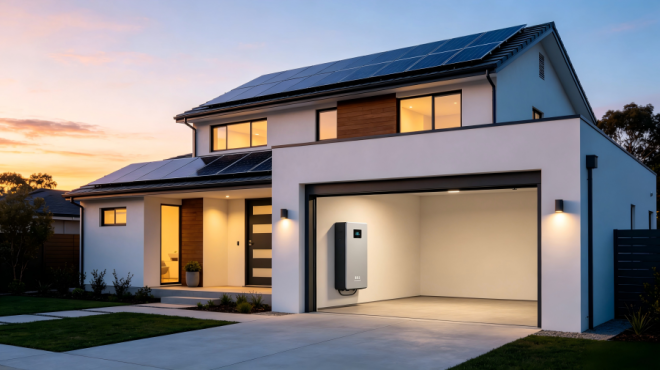
As more homeowners invest in solar energy, Residential Energy Storage Systems (ESS) have become an important solution for improving energy independence and ensuring reliable backup power. Choosing the right system isn't just about battery capacity—it's about finding a solution that matches your energy needs and long-term goals.
What Is a Residential ESS?
A residential ESS stores electricity generated by solar panels or the grid for later use. It helps homeowners reduce electricity costs, increase self-consumption of solar energy, and maintain power during outages.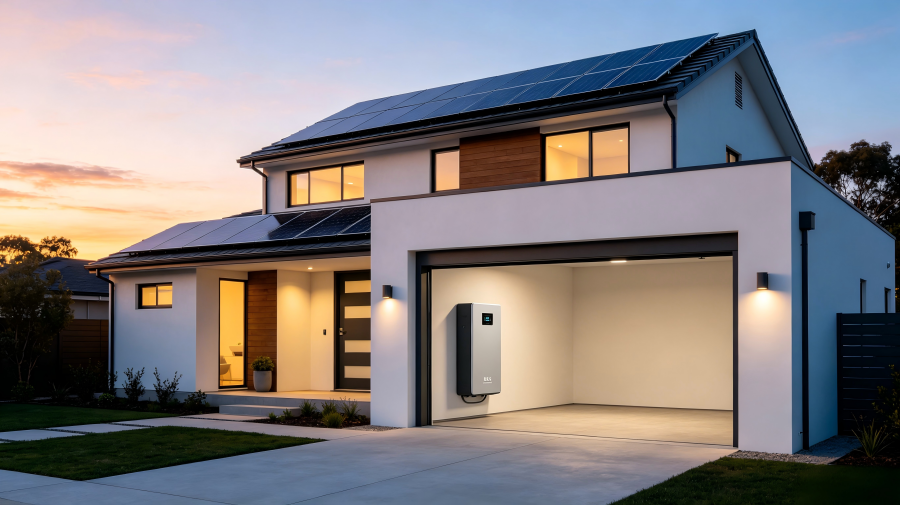
Why More Homeowners Are Choosing Residential ESS
Residential ESS has become increasingly popular because it offers several advantages:- Lower electricity bills
- Increased energy independence
- Backup power during outages
- Better utilization of solar energy
- Reduced dependence on the power grid
As electricity prices continue to rise in many regions, energy storage is becoming an important part of modern home energy management.
Key Factors to Consider When Choosing a Residential ESS
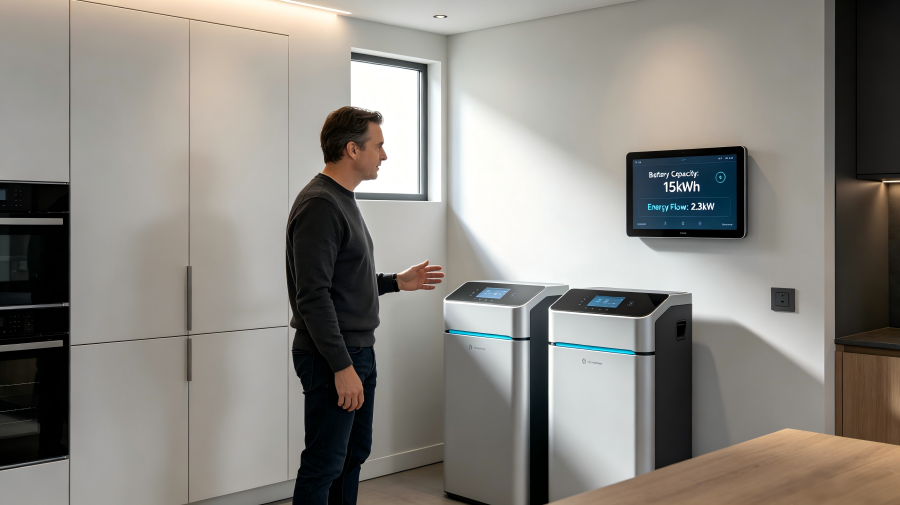
1. Battery CapacityCapacity determines how much electricity the system can store.
Small households may require lower capacities, while larger homes with higher energy consumption often benefit from larger battery systems.
Selecting the correct capacity helps balance investment costs and daily energy needs.
2. Battery Chemistry
Battery chemistry directly affects safety, lifespan, and maintenance requirements.
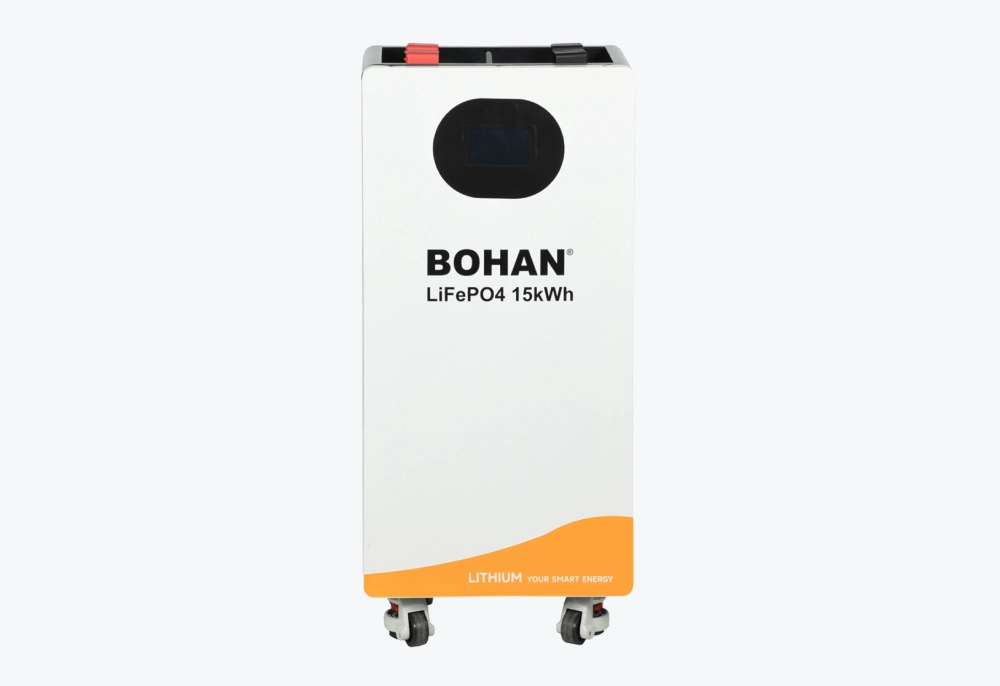
Today, LiFePO4 (Lithium Iron Phosphate) has become one of the most widely adopted technologies for residential ESS because it offers:
- Excellent thermal stability
- Long cycle life
- High safety performance
- Low maintenance requirements
Compared with traditional lead-acid batteries, LiFePO4 batteries provide significantly longer service life and higher overall efficiency.
3. Safety Features
Safety should always be a top priority.
A quality residential ESS should include:
- Overcharge protection
- Over-discharge protection
- Temperature monitoring
- Short-circuit protection
- Intelligent Battery Management System (BMS)
These features help ensure reliable and safe operation throughout the battery's lifecycle.
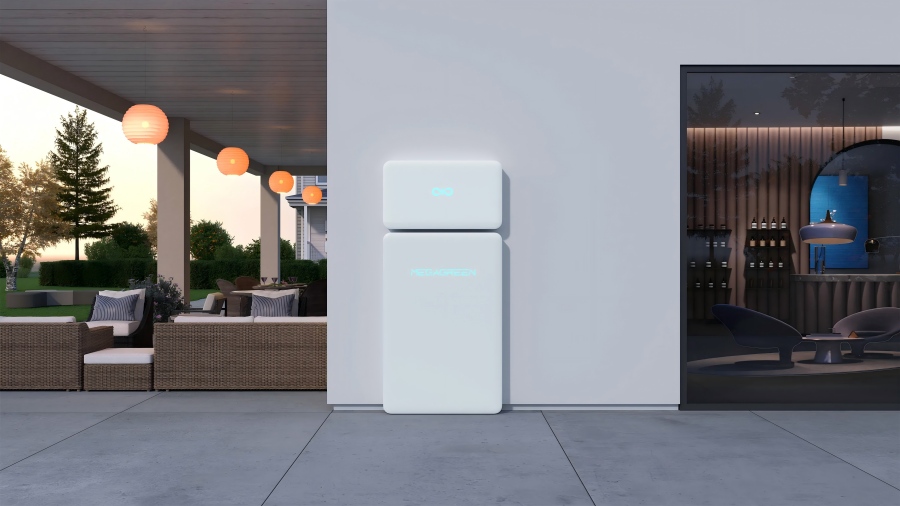
4. Scalability
Household energy needs often change over time.
Choosing a modular battery system allows additional battery capacity to be added later without replacing the entire system.
This flexibility is particularly valuable for homeowners planning future solar expansion.
5. Installation Space
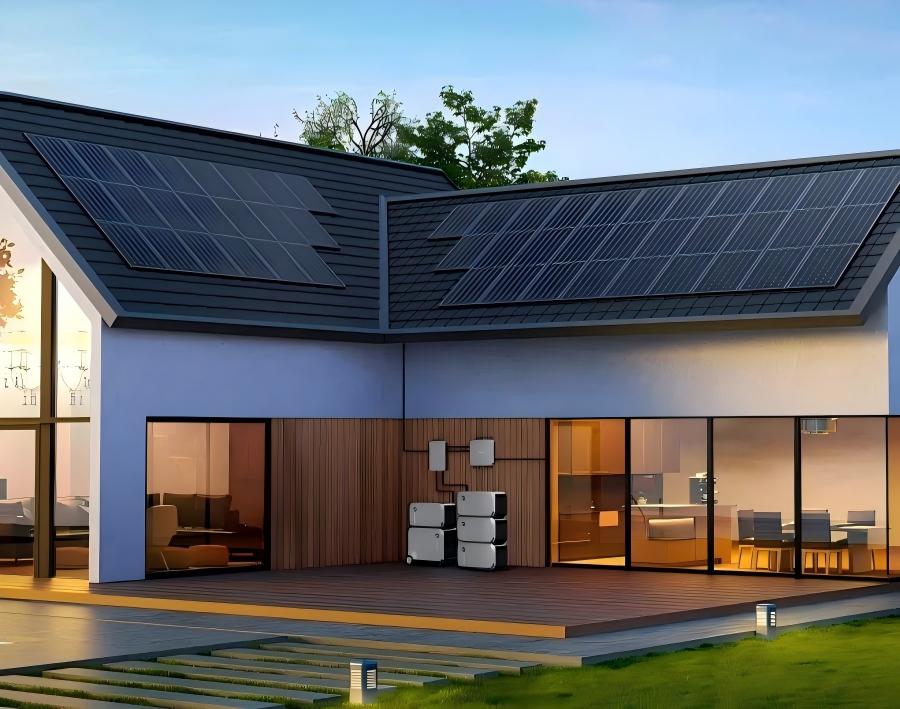
Residential ESS products are available in different installation formats.
Common options include:
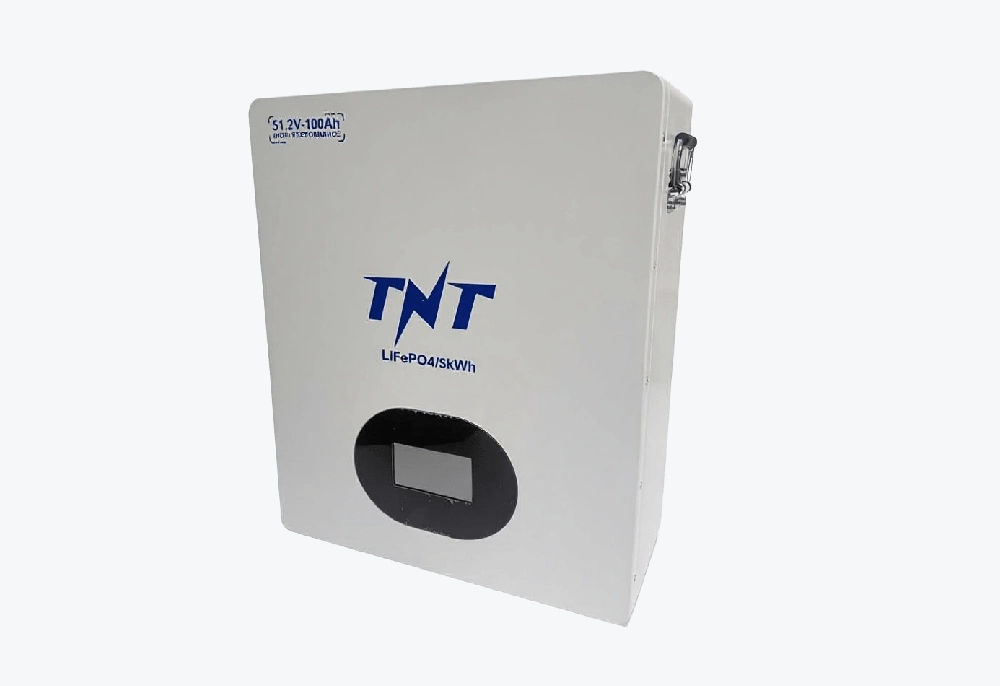
- Wall-mounted batteries
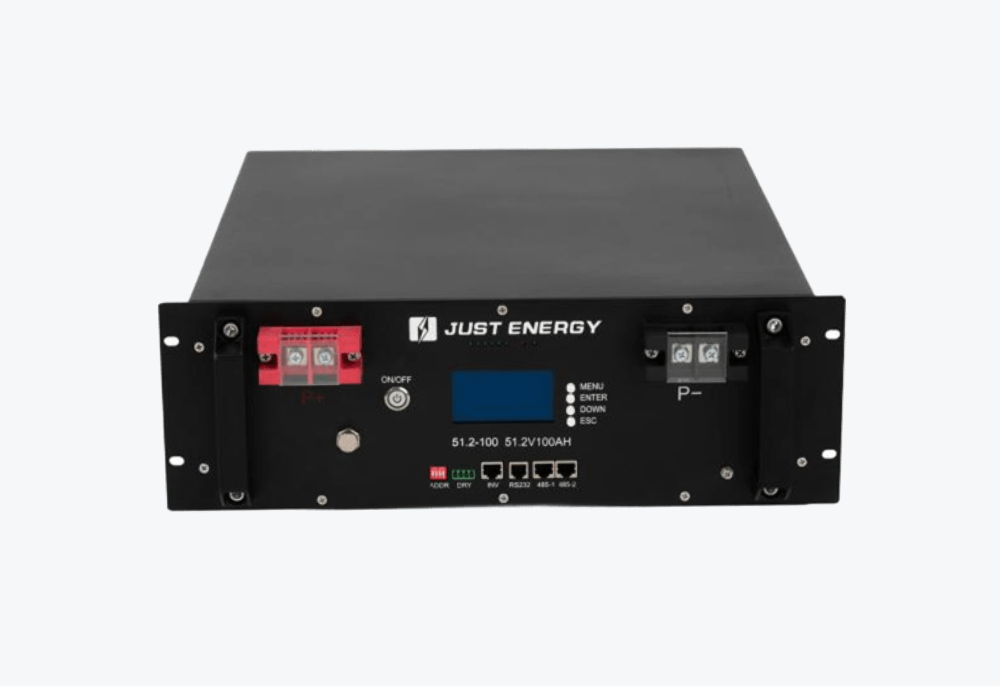
- Rack-mounted battery systems
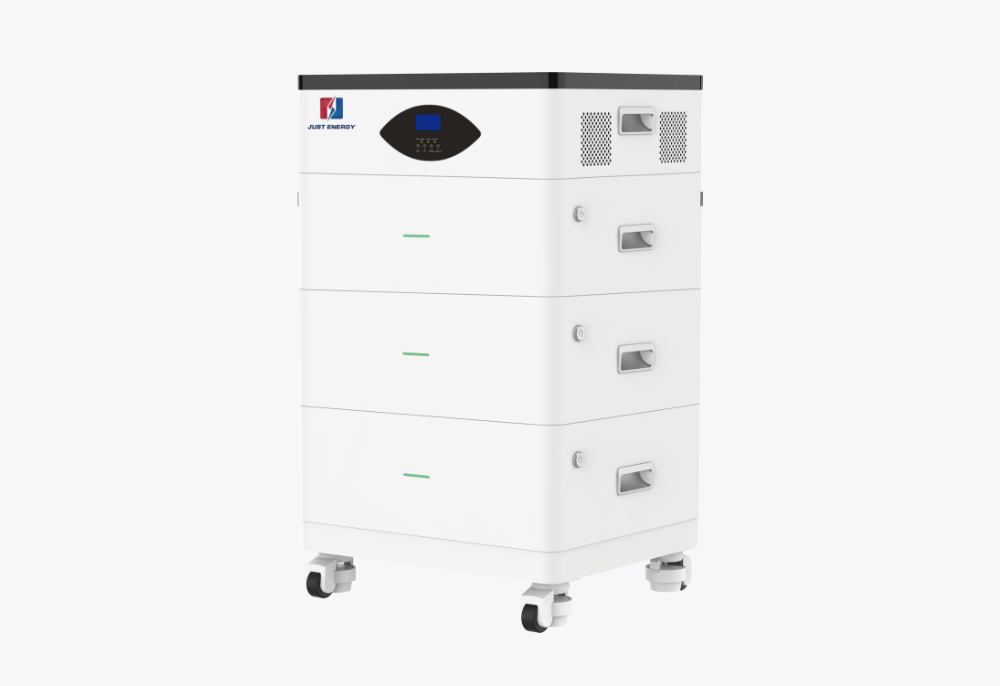
- All-in-one energy storage systems
The best choice depends on available installation space and household requirements.
6. Cycle Life
Battery lifespan is commonly measured by charge-discharge cycles.
High-quality LiFePO4 batteries typically provide thousands of cycles while maintaining stable performance, making them a long-term investment for residential applications.
7. Compatibility
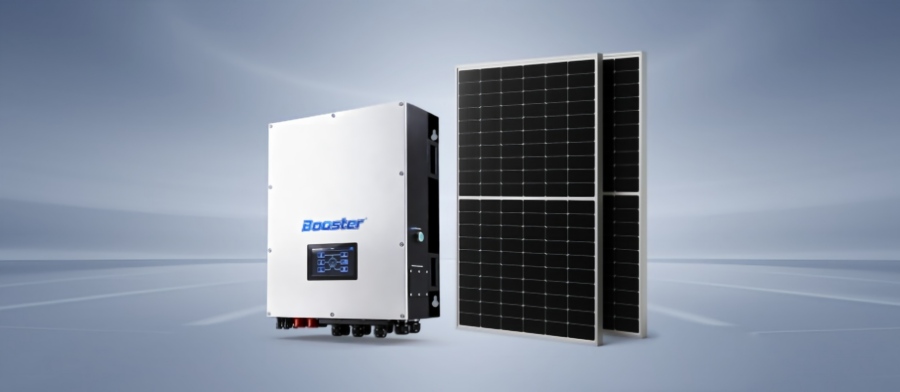
Before purchasing, verify that the battery system is compatible with:
- Existing solar inverters
- Hybrid inverter systems
- Grid-connected systems
- Off-grid applications
Good compatibility reduces installation complexity and improves overall system performance.
Common Mistakes to Avoid
Many buyers focus only on battery price while overlooking important factors such as:- Safety certifications
- Manufacturer experience
- Technical support
- Warranty
- Long-term reliability
A lower purchase price does not always translate into lower total ownership cost.
Choosing a Reliable Energy Storage Partner
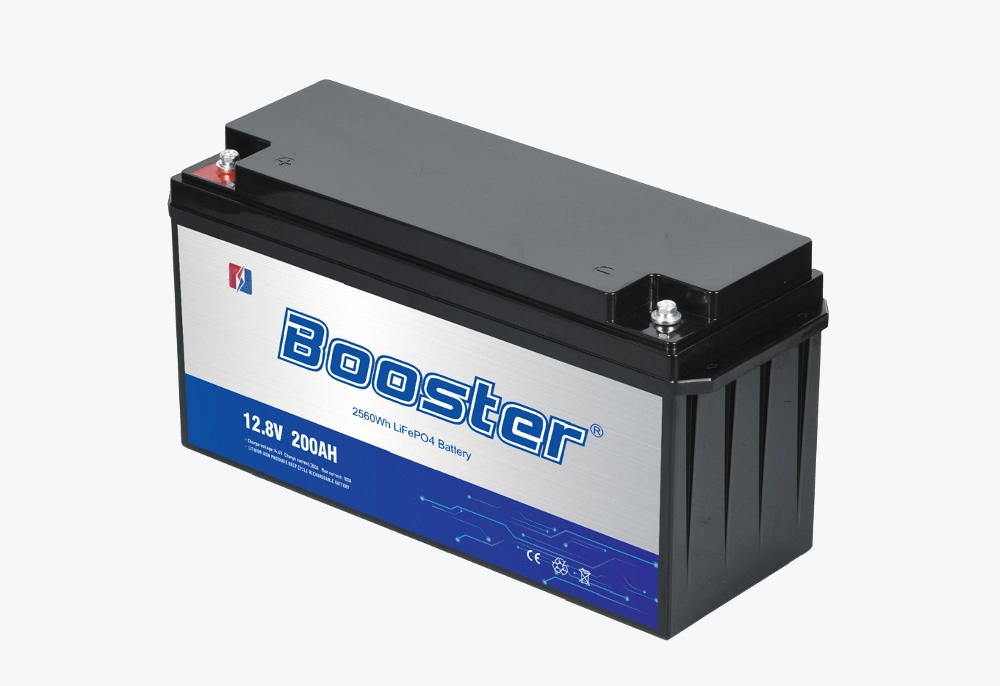
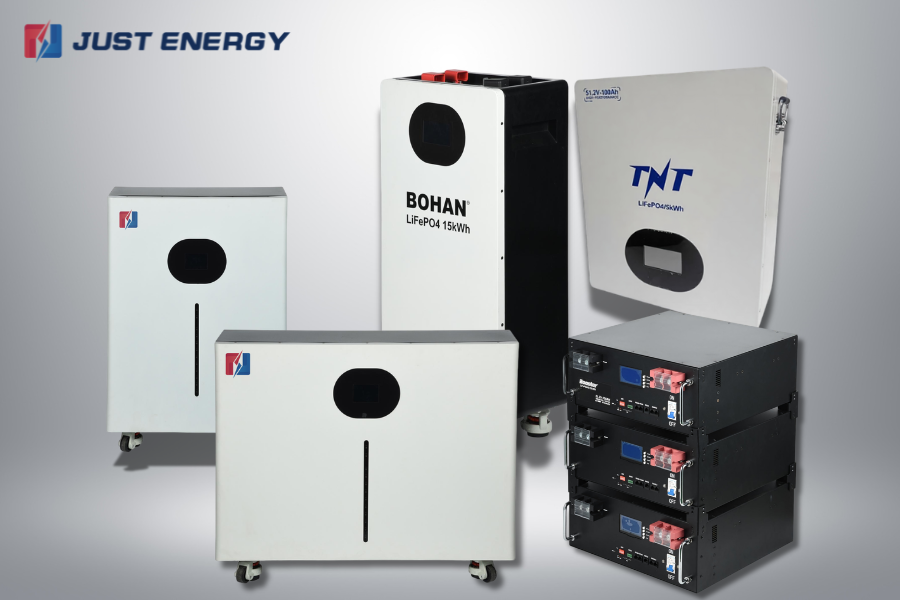
A reliable manufacturer offers more than just battery products—it provides consistent quality, technical expertise, and dependable support.JUST ENERGY offers a range of lithium battery solutions for residential energy storage, including wall-mounted batteries, rack-mounted batteries, and other LiFePO4 battery systems designed for home energy applications. These products are developed to deliver stable performance, high safety standards, and long service life while supporting various residential energy storage requirements.
Conclusion
When choosing a system, consider battery chemistry, capacity, safety, scalability, compatibility, and manufacturer reliability rather than focusing solely on price.By evaluating these factors carefully, homeowners can select an energy storage solution that delivers dependable performance for years to come.