



 en
en


Picking a 12V AGM battery can feel like dating apps for electronics—you keep scrolling, everything looks “reliable,” and you’re terrified of committing to the wrong one that quits halfway through your camping trip.
This guide breaks choices into simple steps—capacity, lifespan, safety—so you match the right battery to your RV, boat, or solar setup. Backed by real testing data from Sandia National Laboratories, you’ll choose with confidence, not guesswork.
🔋 Key Features That Define a High-Quality 12V AGM Battery
A high-quality 12V AGM battery delivers stable power, strong starting performance, and long life. It should support start-stop systems, onboard electronics, and deep cycling without losing reliability.
Look for trusted brands, clear specifications, and proven test data. This helps you avoid early failure, voltage drops, and costly downtime in cars, boats, or backup systems.
1. Capacity, CCA, and Reserve Time
Battery capacity, cold cranking amps (CCA), and reserve capacity decide how easily your engine starts and how long devices can run when the alternator is off.
- Higher CCA = better cold starts
- More Ah = longer runtime for loads
- Reserve capacity supports critical electronics
2. Deep-Cycle and Start-Stop Readiness
Modern cars, especially start-stop models, need batteries that can handle frequent starts and deep discharge without fast wear or failure.
- Designed for repeated engine restarts
- Supports heavy in-car electronics
- Slower capacity loss over time
3. Safety, Sealing, and Maintenance-Free Design
AGM batteries use absorbed glass mat separators to lock the acid in place. This design reduces spills, gas release, and the need for regular service.
- Leak-resistant, sealed case
- No topping up with water
- Safer mounting in cabins or tight spaces
4. Cycle Life and Warranty Support
Long cycle life and a solid warranty show real quality. You should see strong performance over many charge and discharge cycles.
| Feature | What to Look For |
|---|---|
| Cycle life | High cycles at 50% depth of discharge |
| Warranty | Clear coverage on years and mileage |
⚙️ Understanding AGM Technology and How It Differs from Other Batteries
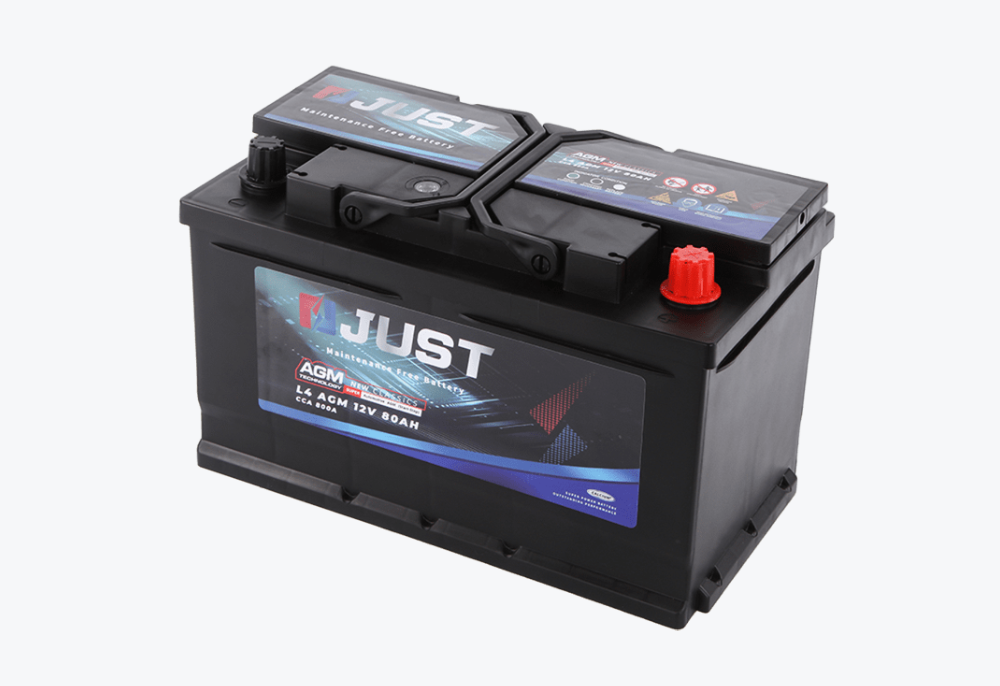
AGM (Absorbent Glass Mat) batteries hold electrolyte in fiberglass mats, not free liquid. This makes them spill-proof, vibration-resistant, and ideal for start-stop and power-hungry systems.
Compared with standard flooded batteries, AGM designs charge faster, deliver stronger bursts, and tolerate deeper discharge, which improves real-world durability and comfort.
1. AGM vs. Flooded: Internal Structure
AGM batteries trap acid in glass mats between the plates. Flooded types store liquid electrolyte freely, which makes them more prone to leaks and water loss.
| Type | Electrolyte | Maintenance |
|---|---|---|
| AGM | Absorbed in glass mat | Maintenance-free |
| Flooded | Free liquid | Needs water checks |
2. Performance and Charge Acceptance
AGM batteries accept charge quickly and deliver high current when needed. This helps alternators and smart charging systems work more efficiently.
- Fast recovery after short trips
- Stable voltage for sensitive electronics
- Better suited for regenerative braking
3. Cycle Life and Depth of Discharge
AGM batteries usually survive deeper discharges better than standard flooded models. This benefits vehicles with strong power demands and frequent stop-start driving.
4. Where AGM Shines in Real Use
AGM is ideal in start-stop cars, off-road vehicles, boats, RVs, and backup systems where strong power, quick charge, and low maintenance matter.
- Works well under high vibration
- Safer for cabins and tight spaces
- Better support for multiple accessories
🔌 Sizing Your 12V AGM Battery for Power Needs and Runtime
Correct battery sizing avoids weak starts and short runtimes. Match capacity, CCA, and load demands to your vehicle or system for steady, safe power.
Start with the original equipment specs, then adjust for extra accessories or higher power needs such as winches, audio systems, or inverters.
1. Match OEM Specs and Vehicle Type
Use the factory battery rating as a baseline. Engine size, fuel type, and start-stop systems all affect the minimum CCA and capacity you need.
- Check owner’s manual or under-hood label
- Do not downgrade CCA or Ah
- Consider premium options for harsh climates
2. Calculate Total Load and Runtime Goals
List your devices and how long they must run with the engine off. This helps you choose enough amp-hours to avoid deep discharge stress.
| Device | Power (W) | Hours | Ah at 12V (approx.) |
|---|---|---|---|
| LED lights | 24 | 4 | 8 Ah |
| Fridge | 60 | 5 | 25 Ah |
3. Plan for Future Upgrades
If you plan to add more electronics later, choose a slightly larger AGM battery now to avoid early replacement and wiring changes later.
- Consider sound systems and extra lighting
- Allow a safety margin of 15–25%
- Stay within alternator charging limits
🌡️ Environmental Factors: Temperature, Vibration, and Mounting Considerations
Climate, vibration, and mounting position affect AGM battery life. Proper placement and protection help keep performance stable and extend service life.
Cold slows chemical reactions, heat speeds aging, and constant shock can damage plates. Smart installation reduces these risks.
1. Temperature Effects and Protection
Very low temperatures reduce available power, while high heat shortens battery life. Shield the battery from engine heat and extreme cold when possible.
- Use covers or shields near hot engines
- Check voltage more often in heat waves
- Store fully charged in winter
2. Vibration and Shock Resistance
AGM batteries resist vibration better than flooded types, but harsh off-road or marine use still calls for solid mounting and basic isolation.
| Setting | Risk Level | Action |
|---|---|---|
| City driving | Low | Standard tray is enough |
| Off-road | High | Use clamps and rubber pads |
3. Mounting Position and Ventilation
AGM batteries allow more flexible mounting than flooded types, but follow maker rules on orientation and space around the case for ventilation.
- Keep terminals accessible and protected
- Avoid direct contact with sharp metal
- Leave room for cooling air flow
🏷️ Choosing a Reliable 12V AGM Battery Brand Like JUST for Performance
Brand choice shapes reliability, real capacity, and safety. A trusted maker like JUST offers tested performance and clear data for modern vehicles.
Look at lab results, certifications, and customer feedback, not only low price. Strong support and warranties signal serious engineering.
1. Focus on Proven Start-Stop Solutions
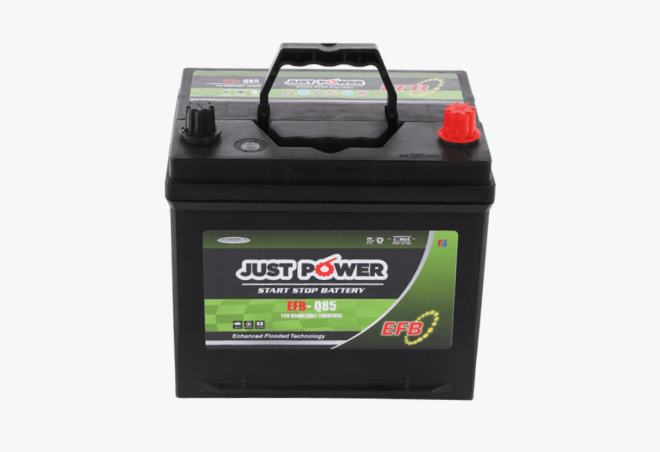
Start-stop engines place a heavy load on the battery. Products such as the JUST POWER EFB Q85 (D23L) 12V Start-Stop Car Battery – 780CCA High Performance deliver strong cranking and durable cycling.
- Built for frequent restart cycles
- Supports heavy electrical loads
- Suitable for many modern cars
2. Match Capacity to Vehicle Size
Compact or mid-size cars benefit from carefully sized AGM options like the JUST AGM-L1 12V 50Ah Battery | 570A CCA for Start-Stop Vehicles, which balances power, weight, and space.
| Model | Voltage | Capacity | CCA |
|---|---|---|---|
| AGM-L1 | 12V | 50Ah | 570A |
3. Choose Compact Power for Tight Spaces
Small cars and special installations often need slim batteries. The JUST AGM-L0 12V 40Ah Battery | Compact 460A CCA Start-Stop Power offers reliable starting in compact form.
- Ideal where space is limited
- Supports start-stop duty
- Lightweight yet capable
Conclusion
A well-chosen 12V AGM battery improves starting, supports electronics, and resists harsh conditions. Focus on capacity, CCA, cycle life, and real-world demands.
When you pair these factors with a trusted brand such as JUST, you get stable performance, fewer failures, and longer service life in daily use.
Frequently Asked Questions about agm 12v battery
1. How long does a 12V AGM battery usually last?
Most 12V AGM batteries last 4–7 years, depending on climate, charging system health, and how often you discharge them. Avoid deep discharges and overcharging to extend life.
2. Can I replace a flooded battery with an AGM battery?
Yes, in many cases. Check size, terminal layout, and charging system compatibility. Ensure the voltage regulator and charger are safe for AGM charging profiles.
3. Do AGM 12V batteries need special chargers?
Use a smart charger with an AGM or sealed lead-acid mode. These chargers limit voltage and prevent overcharge, which helps protect plates and extend service life.
4. Are AGM batteries good for start-stop vehicles?
Yes. AGM batteries handle frequent starts, short trips, and heavy electrical loads better than standard flooded units, making them ideal for start-stop and modern cars.
5. How do I know what size 12V AGM battery I need?
Check your owner’s manual for original ratings, then consider added accessories and climate. Do not choose lower CCA or capacity than the factory recommendation.