





 en
en


Your gadgets keep dying faster than your motivation on Monday mornings, and every “high-capacity” LARGESTAR battery you buy feels more like a one‑hit wonder than a power hero. You just want to know which ones are actually real and reliable.
This guide shows you simple ways to test and verify original LARGESTAR battery quality using basic tools, clear steps, and trusted data from reports like UL’s battery safety overview, so you can finally charge with confidence.
🔋 Visual Inspection: Checking Battery Appearance, Labels, and Safety Markings Carefully
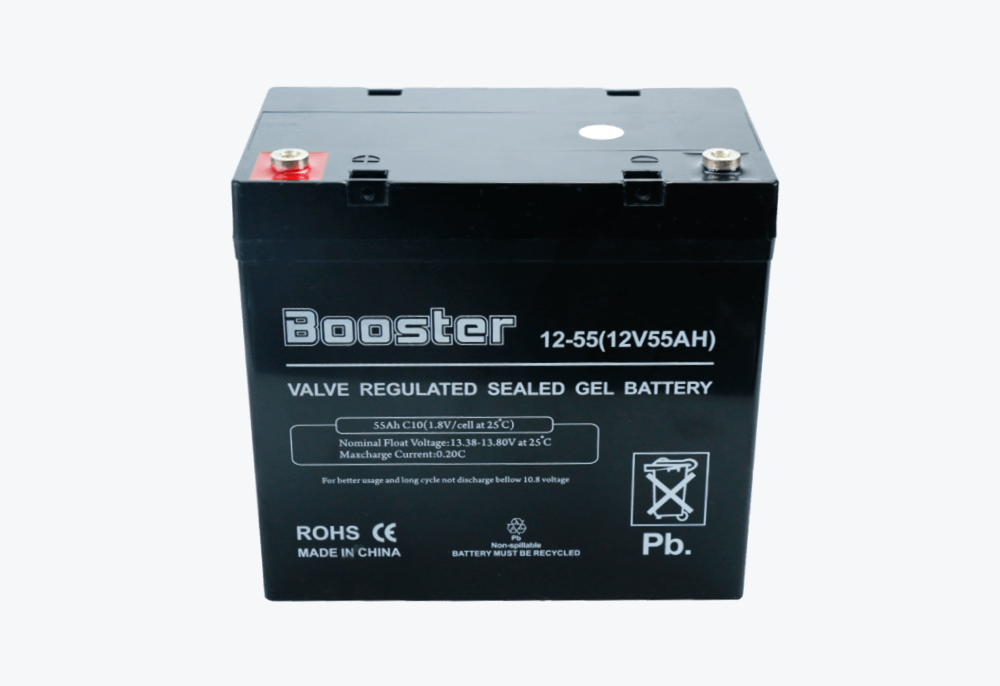
Start by checking the outside of every LARGESTAR BATTERY. A clean, correctly labeled case often reflects strict factory control and authentic manufacturing.
Look for marks, codes, and seals that match the brand’s standards. Any mismatch, damage, or wrong logo may signal a fake or low‑quality product.
1. Inspect the Case and Terminals
Check for cracks, leaks, rust, and bent terminals. Clean edges and firm posts show good build quality and safer long‑term use.
- No swelling or bulging on the case
- Terminals firmly fixed, no wobble
- No acid stains, oil, or strange smells
2. Verify Labels and Serial Numbers
Original LARGESTAR labels use clear printing, steady color, and full model details. Cross‑check serial numbers with the seller when possible.
| Item | What to Check |
|---|---|
| Brand logo | Sharp, not blurred |
| Model code | Matches invoice/manual |
| Serial number | Unique and scannable |
3. Confirm Safety and Compliance Marks
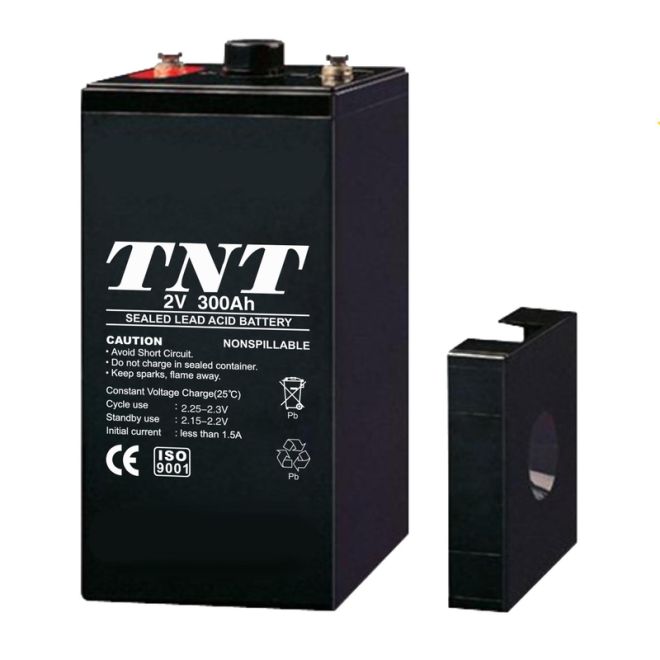
Look for CE, recycling marks, and warning icons. These signs show the battery meets major safety and transport rules.
- Clear polarity marks (+ / −)
- Safety icons not peeling off
- Production or batch date visible
4. Compare with Official Product Images
Match the battery with official LARGESTAR photos or trusted dealers. Any big difference in color, design, or layout should raise concern.
- Same case color and texture
- Same label layout and fonts
- Same terminal type and position
🧪 Capacity Testing: Measuring Actual Runtime Against Rated Battery Specifications
To confirm original LARGESTAR BATTERY quality, measure real capacity with a steady load. Compare the results with the rated ampere‑hours on the label.
Use a smart tester or professional charger that can record discharge time. Keep conditions stable to get repeatable and fair capacity data.
1. Set Up a Standard Discharge Test
Use a constant current load that matches test rules, such as C10 or C20 rates. Record time until the voltage reaches the cut‑off level.
- Fully charge the battery first
- Let it rest before testing
- Use the same cut‑off voltage each time
2. Compare Rated vs Measured Capacity
Divide discharge current by hours of runtime to estimate ampere‑hours. Real capacity of genuine LARGESTAR BATTERY should stay close to the rated value.
3. Note Voltage Curve and Recovery
Watch how voltage drops during discharge and how it recovers at rest. Stable curves show a healthy, original battery.
| Stage | Indicator |
|---|---|
| Start | Voltage near nominal |
| Mid | Slow, steady decline |
| End | No sudden sharp drop |
4. Test Different Load Levels
Run tests at light and heavy loads. A real LARGESTAR BATTERY will keep performance more stable across several current levels.
- Low load: check long runtime
- Medium load: daily use range
- High load: start‑up or peak demand
📏 Internal Resistance: Using Instruments to Evaluate Battery Health and Stability
Measure internal resistance with a proper meter to judge battery health. Lower, stable values often point to better quality and longer life.
Test at full charge and room temperature for accurate comparison across different LARGESTAR BATTERY models and production batches.
1. Use a Reliable Internal Resistance Tester
Connect the tester to clean terminals and follow the tool’s guide. Avoid load or charging during measurement to prevent false readings.
- Clean clamps and posts first
- Use correct measurement range
- Repeat readings for consistency
2. Compare Readings with Reference Values
Original batteries show resistance within the normal band for their size and type. Very high values may signal aging or fake products.
| Battery Type | Typical Range (mΩ) |
|---|---|
| Small 12V 45Ah | 4–7 |
| 12V 100Ah | 2–5 |
| 12V 250Ah | 1–3 |
3. Track Resistance Over Time
Regular checks help you see trends. A slow, steady rise is normal; a fast jump may show misuse, damage, or non‑original cells.
- Log test date and conditions
- Compare after heavy cycles
- Replace if resistance rises sharply
🌡️ Safety and Temperature: Monitoring Heat Buildup During Charging and Discharging
Heat strongly affects battery life and safety. Watch case temperature whenever you charge, discharge, or test a LARGESTAR BATTERY.
Excess heat or hot spots may mean over‑charging, internal faults, or poor design, which are common signs of non‑original products.
1. Measure Surface Temperature Regularly
Use an infrared thermometer or sensor. Compare readings with room temperature to see how much the battery heats during normal use.
- Check at start, mid, and end of charge
- Avoid use if the case feels very hot
- Ensure airflow around the battery
2. Watch for Uneven Heating
Hot spots on one side or near a terminal can point to internal problems. Genuine products should heat more evenly under rated loads.
| Pattern | Meaning |
|---|---|
| Even warm | Normal operation |
| One hot corner | Possible cell issue |
| Very hot terminal | Poor contact or overload |
3. Control Charging Settings
Use chargers that match LARGESTAR specs for voltage and current. Proper settings reduce extra heat, gas release, and plate wear.
- Follow maker’s voltage limits
- Avoid fast charge unless approved
- Stop if temperature rises too fast
✅ Reliable Sources: Choosing JUST for Tested, Verified High-Quality Battery Performance
To avoid fake batteries, buy from trusted suppliers that provide full test data, stable warranty, and clear technical support.
JUST offers strict quality control and complete test reports, helping you confirm the true performance of each LARGESTAR BATTERY you install.
1. Buy from Authorized and Traceable Channels
Choose official partners or direct factory sales. They provide real serial numbers, batch records, and support for on‑site or lab testing.
- Check business license and website
- Ask for test or inspection records
- Keep all invoices and model details
2. Select Models with Proven Field Performance
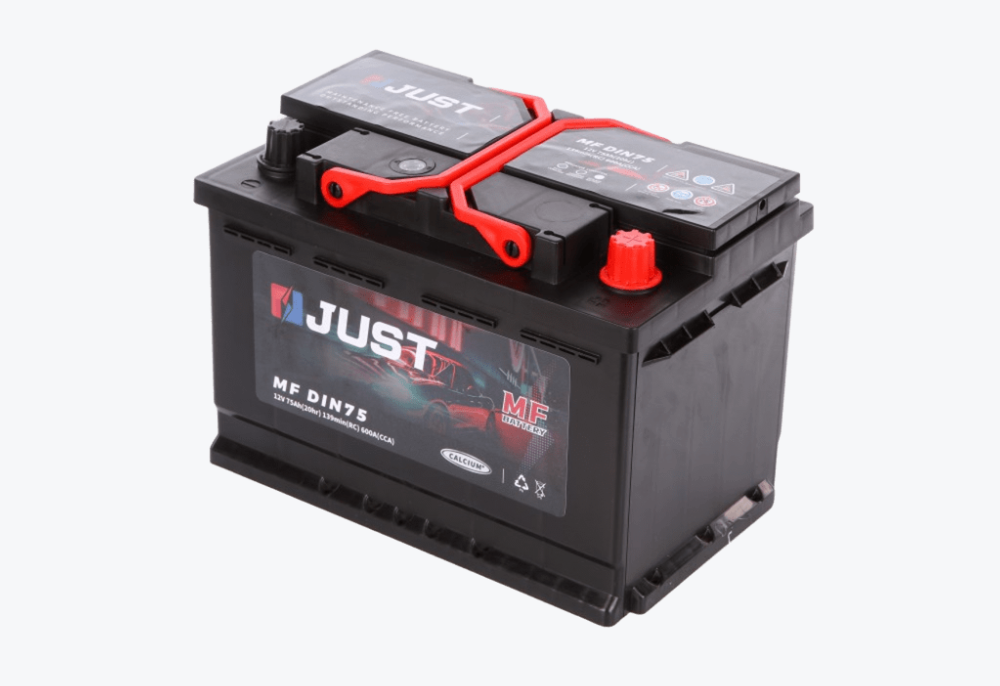
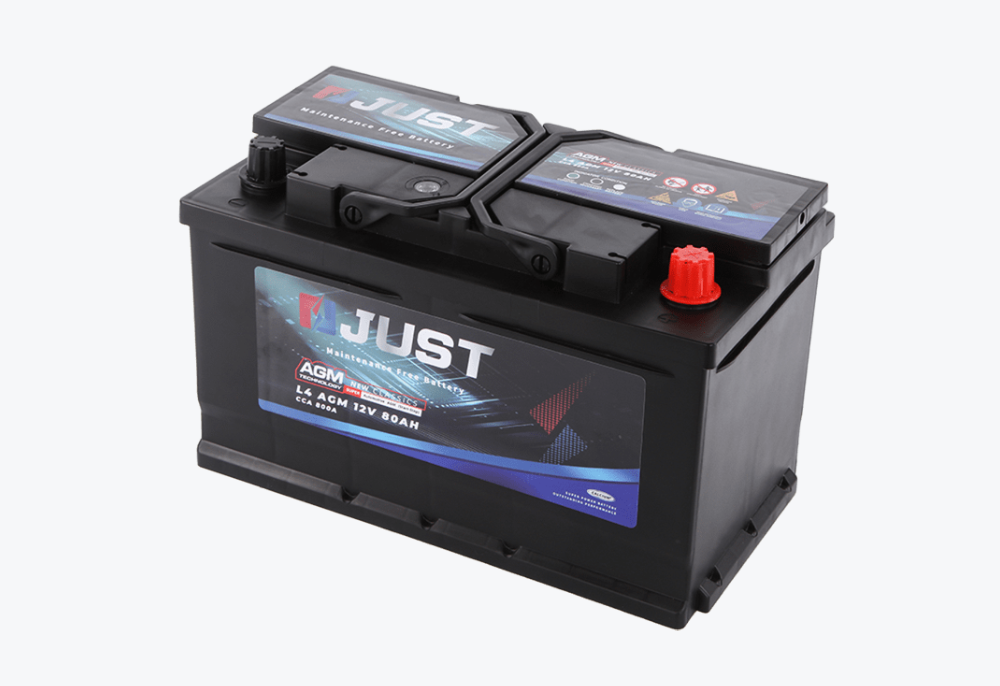
Products like the MFNS60/46B24R 12V 45Ah Maintenance-free Battery and MFS31 12V 100Ah Maintenance-free Battery are widely used and easier to verify through user feedback and test data.
- Look for stable long‑term users
- Ask for case studies or reports
- Review real runtime records
3. Use Professional Support and Matching
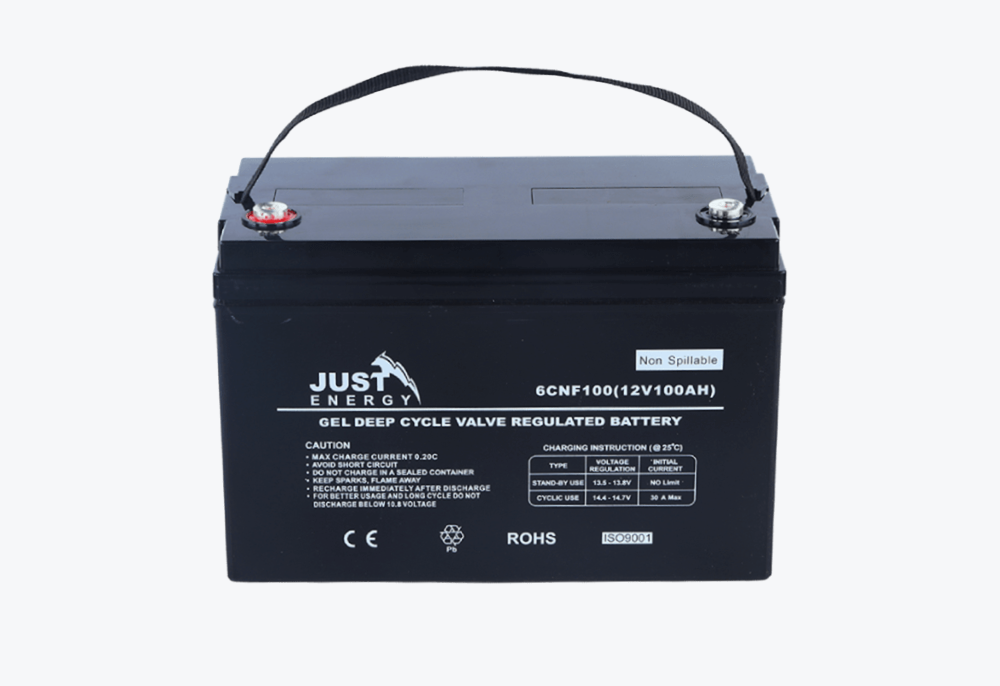
Work with JUST engineers to pick the right product, such as the deep‑cycle GEL12V250Ah Gel Series Battery for energy storage and backup systems.
| Need | Recommended Focus |
|---|---|
| Starting | High cold‑crank current |
| Cyclic use | Deep‑cycle design |
| Backup | Stable float performance |
Conclusion
To test and verify original LARGESTAR BATTERY quality, combine visual checks, capacity tests, resistance readings, and temperature control. Each step reveals another side of real performance.
When you also choose reliable suppliers like JUST, you reduce the risk of fake products and gain safer, longer‑lasting battery systems for your projects.
Frequently Asked Questions about LARGESTAR BATTERY
1. How do I quickly tell if a LARGESTAR BATTERY is original?
Check case quality, labels, serial numbers, and safety marks against official data. Then run a simple capacity and voltage test under a known load.
2. How often should I test battery capacity and internal resistance?
For critical use, test every 6–12 months. For heavy‑cycle systems, add checks after major discharge events or when runtime drops.
3. Is temperature control really important for battery life?
Yes. High temperature speeds up aging and can cause damage. Keeping batteries near recommended temperatures greatly extends service life and safety.