




 en
en


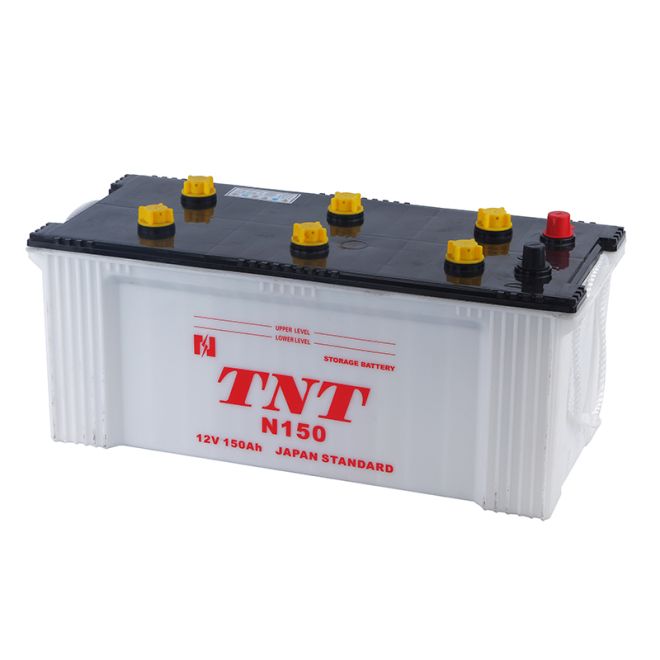
Your dry charged batteries feel like moody teenagers—unpredictable, energy-draining, and refusing to perform when you need them most. You juggle specs, suppliers, and safety rules, yet everything still seems one spark away from chaos.
This 2026 guide turns that chaos into a clear, step‑by‑step playbook for modern dry charged battery manufacturing. Backed by data from the International Energy Agency, it helps you boost reliability, cut costs, and actually trust your batteries.
🔧 Overview of Dry Charged Battery Technology and 2026 Industry Standards
Dry charged batteries ship without electrolyte, giving long storage life, lower logistics risk, and flexible activation close to the end user in 2026 supply chains.
New standards in 2026 focus on traceable raw materials, stable cold‑cranking performance, and extended cycle life for commercial and automotive starting applications.
1. Core Working Principle
Manufacturers fully form plates, wash, and dry them before assembly. Electrolyte is added later, which activates the battery on demand.
2. 2026 Performance Benchmarks
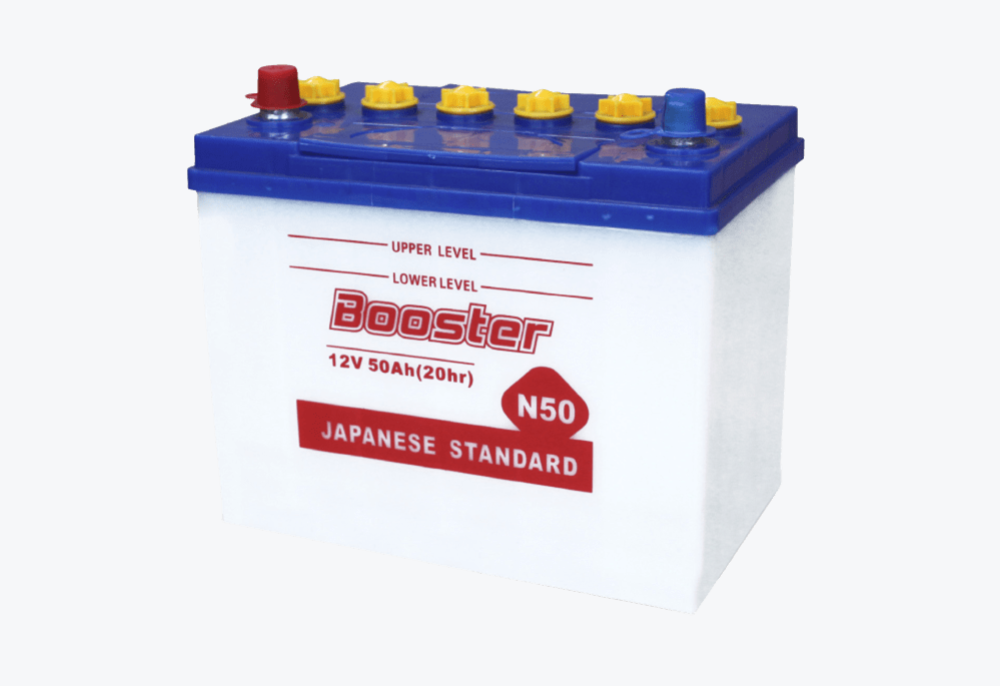
Global standards now highlight cold‑crank ratings, reserve capacity, and shelf‑life retention across sizes like the N100 12V 100Ah Dry-charged Battery.
- Fast activation after acid filling
- Strong start power in low temperatures
- Low self‑discharge during storage
3. Key Structural Elements
Grids, plates, separators, and robust containers work together to deliver consistent starting power across different vehicle and industrial models.
4. Typical 2026 Applications
Dry charged products now support agricultural, marine, backup power, and commercial fleets, including high‑capacity options like the N165 12V 165Ah Dry-charged Battery.
🧪 Key Raw Materials, Lead Alloys, and Additives for Stable Performance
Stable dry charged batteries depend on clean lead, optimized alloys, active material additives, and durable separators that resist corrosion and sulfation during long storage.
Producers in 2026 use data‑driven recipes to balance cost, performance, and life, with strict tests for every incoming batch.
1. Primary Raw Materials
Lead, lead oxide, sulfuric acid, and polymer cases form the base of every dry charged unit.
| Material | Main Role |
|---|---|
| Lead | Grid and plate structure |
| Lead oxide | Active material base |
| Separators | Prevent short circuits |
2. Alloy Optimization
Low‑antimony and calcium alloys cut water loss and self‑discharge while protecting against grid growth and corrosion.
3. Additives and Expanders
Carbon, barium sulfate, and lignin expanders keep plate pores open, giving fast charge acceptance after activation.
4. Data‑Driven Material Control
Factories use process data to keep alloy composition within narrow limits and stabilize performance of models like the NS40Z 12V 36Ah Dry-charged Battery.
🏭 Step‑by‑Step Dry Charged Battery Manufacturing Process and Quality Control
The 2026 process combines automation and in‑line testing to ensure every dry charged battery activates quickly and performs safely in the field.
Producers monitor each stage to reduce defects, improve life, and maintain consistent cranking power.
1. Plate Production and Formation
Factories paste grids, cure plates, and form them in acid before complete rinsing and controlled drying.
- Automated pasting lines
- Temperature‑controlled curing rooms
- Capacity and resistance checks
2. Assembly and Sealing
Dry plates, separators, and straps are assembled into cases, welded, sealed, and coded for full traceability.
3. Final Inspection and Packing
Leak tests, voltage checks, and visual inspections confirm quality before export packaging and storage.
♻️ Environmental Compliance, Waste Management, and Worker Safety in Production
Modern dry charged battery plants must meet strict emission rules while recycling lead and plastic at high recovery rates.
Worker health and safe handling of acid and lead dust stay at the center of plant design.
1. Regulatory Compliance
Plants follow ISO, local environmental rules, and extended producer responsibility for collection and recycling.
2. Waste and Recycling Systems
Closed‑loop systems recover lead, reuse plastic cases, and treat wastewater before discharge.
- Lead recovery above 95%
- Neutralized acid streams
- Separated solid waste lines
3. Worker Protection
Ventilation, personal protective equipment, blood‑lead monitoring, and continuous training limit exposure risks on the production floor.
⚙️ Selecting Reliable Dry Charged Battery Suppliers and Why JUST Excels
In 2026, buyers look for proven engineering, stable supply, and transparent testing when choosing dry charged battery partners.
JUST focuses on traceability, rigorous quality control, and wide model coverage to support OEMs and distributors worldwide.
1. Core Supplier Criteria
Check certifications, test reports, automation level, and ability to customize labels or terminals for your market.
- Documented quality system
- Clear technical data sheets
- Responsive engineering support
2. Why JUST Stands Out
JUST combines strong R&D, strict material control, and scalable production lines to deliver consistent dry charged batteries for many regions.
3. Matching Products to Applications
From compact passenger cars to heavy‑duty equipment, JUST selects plate design, capacity, and container size to fit local climate and duty cycles.
Conclusion
Dry charged battery manufacturing in 2026 blends proven lead‑acid chemistry with strict standards, data‑driven material control, and greener production lines.
By choosing qualified suppliers like JUST, buyers gain stable performance, long shelf life, and reliable starting power across demanding global markets.
Frequently Asked Questions about dry charged battery
1. What is a dry charged battery?
A dry charged battery is fully formed at the factory but shipped without electrolyte. It stays inactive until acid is added, which starts the battery.
2. How long can a dry charged battery be stored?
When stored in a cool, dry place, most dry charged batteries can keep their performance for up to 18–24 months before activation.
3. How do you activate a dry charged battery?
Fill the battery with the specified sulfuric acid, let it stand for absorption, then charge it according to the manufacturer’s recommended current and time.
4. Where are dry charged batteries most useful?
They work well for export markets, seasonal equipment, and backup systems where long shelf life and safe transport are very important.