



 en
en


Tired of lifting your car’s hood, staring at the battery, and pretending you know what “maintenance free” means? Don’t worry—most of us just jiggle the cables and hope the engine gets the hint.
To end the guesswork, learn how maintenance free batteries actually work—their sealed structure, gas recombination, and no‑top‑up design—so you can spot issues early instead of praying at every ignition. For deeper guidance, see this SAE technical report on lead-acid battery technology.
🔋 Basic Structure of Maintenance Free Lead-Acid Batteries
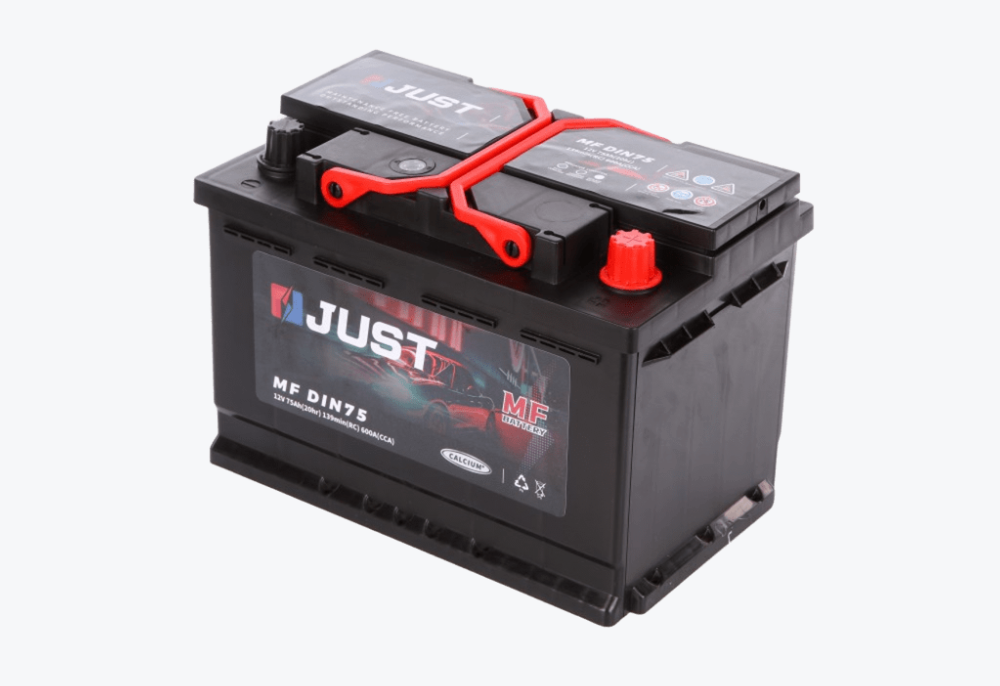
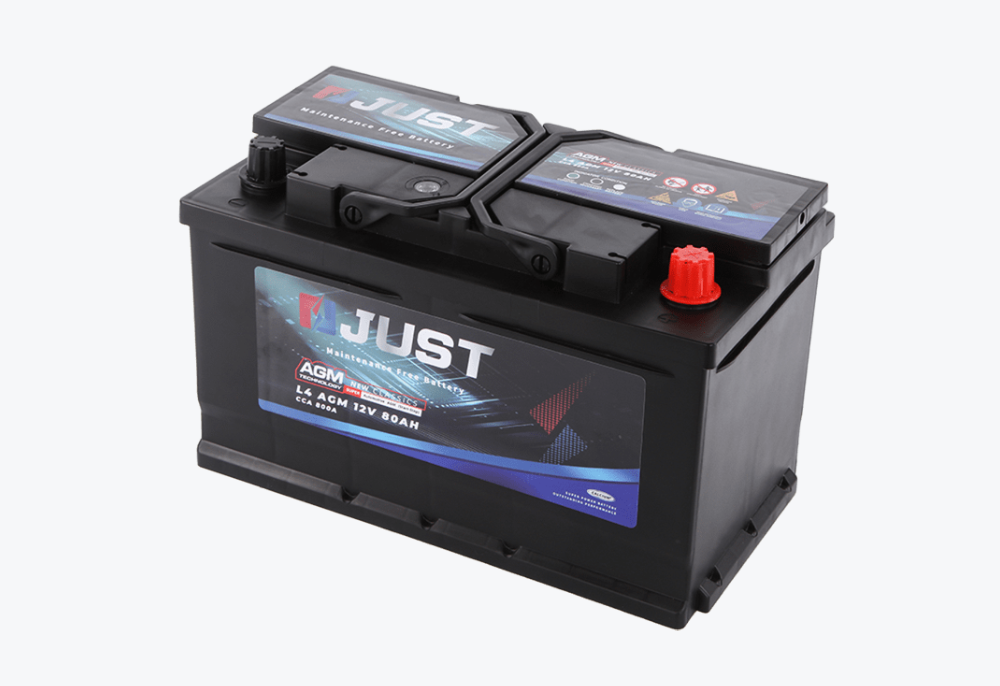
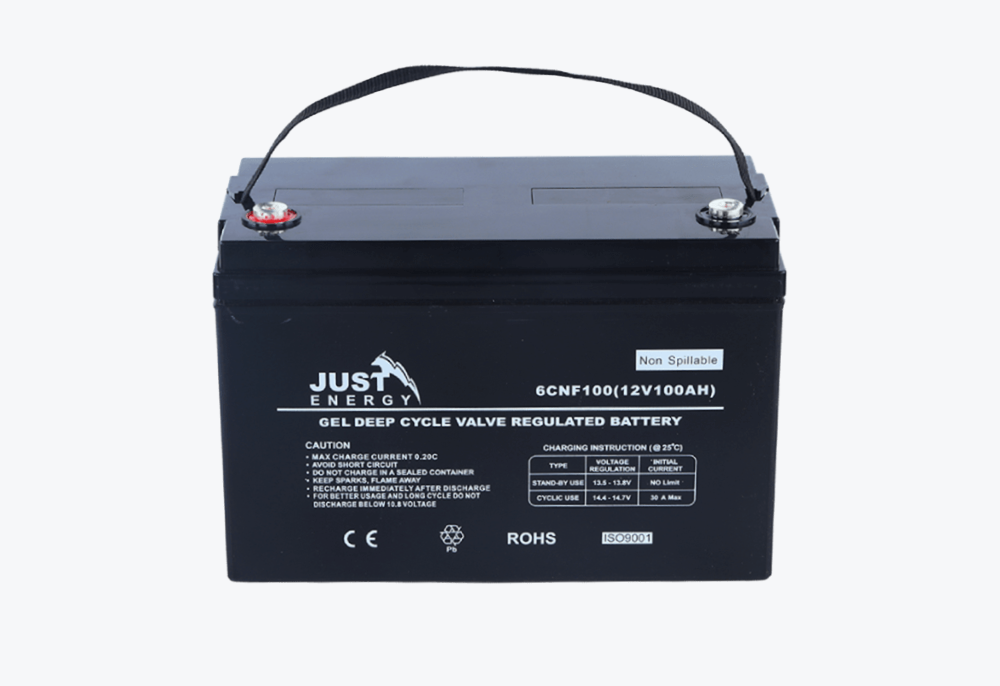
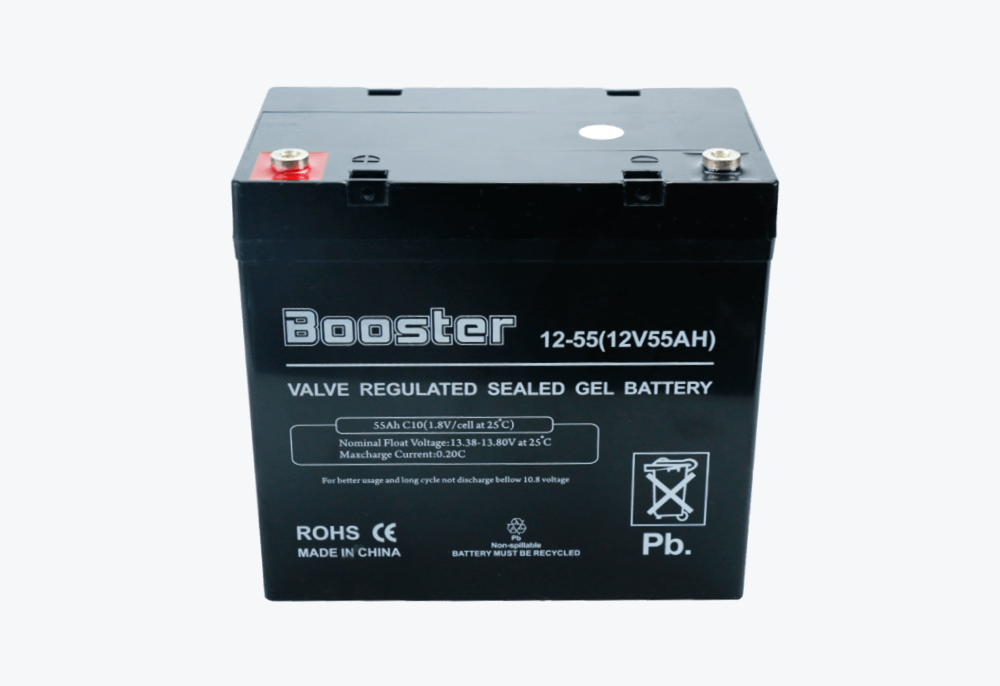
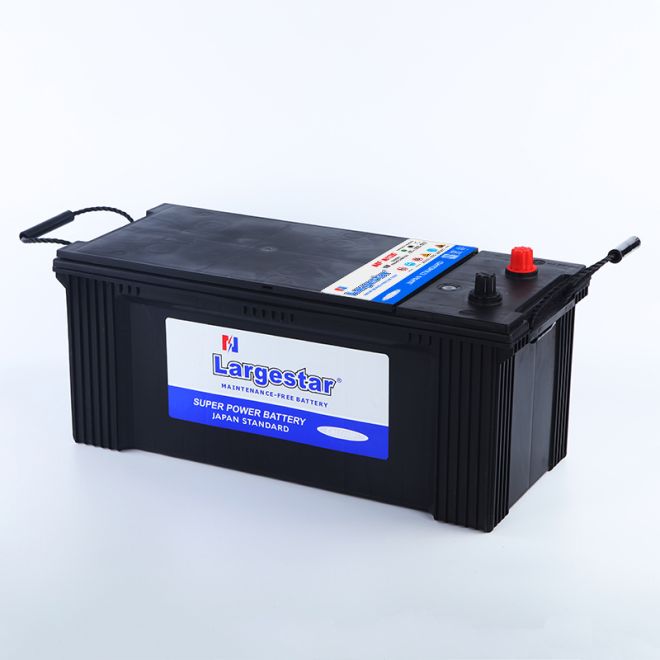
Maintenance free batteries use sealed designs, strong plates, and advanced separators. This structure reduces water loss, improves safety, and provides stable starting power for vehicles and equipment.
Their compact case, terminal layout, and internal grid design allow high performance with very low user maintenance.
1. Outer Case and Terminals
The outer case protects inner parts from vibration, heat, and impact while terminals connect safely to the vehicle or system.
- Heat‑resistant plastic case
- Corrosion‑resistant terminals
- Integrated handles for easy carry
2. Lead Plates and Active Material
Positive and negative plates hold the active material that stores and releases energy during charge and discharge.
| Plate Type | Main Function |
|---|---|
| Positive | Delivers starting power |
| Negative | Balances reaction, supports cycles |
3. Separators and Electrolyte
Porous separators keep plates from touching while the electrolyte carries ions between them, allowing controlled chemical reactions.
- Microporous polymer separators
- Optimized acid density
- Low internal resistance
4. Sealed Cover and Safety Valves
The sealed cover and one‑way valves hold gases inside under normal use and release pressure only when needed.
- Flame‑arresting vents
- Prevents leakage and spills
- Supports long service life
⚙️ Chemical Reactions Enabling Maintenance Free Operation
Maintenance free batteries use balanced lead and lead dioxide reactions in sulfuric acid. Smart design keeps gases inside, so users rarely add water.
Stable chemistry supports quick starts, deep cranking, and repeated cycling with minimal attention.
1. Discharge Reaction Overview
During discharge, both plates slowly turn into lead sulfate while the acid becomes weaker, releasing electrical energy to the load.
| State | Positive Plate | Negative Plate |
|---|---|---|
| Charged | Lead dioxide | Spongy lead |
| Discharged | Lead sulfate | Lead sulfate |
2. Charge Reaction and Recovery
During charging, lead sulfate converts back to lead dioxide and spongy lead, and the electrolyte regains proper acid density.
- Restores active materials
- Reduces sulfation risk
- Improves battery life
3. Hydrogen and Oxygen Gas Control
Special alloys and charge control reduce excess hydrogen and oxygen gas, limiting water loss and keeping the battery sealed.
- Low‑antimony or calcium grids
- Lower gassing rate
- Stable fluid level
4. Simple Data Analysis of Charge Efficiency
The chart below shows how improved plate design raises charge efficiency compared with older designs, supporting maintenance free use.
🧱 Role of Grids, Plates, and Separators in Battery Performance
Grids, plates, and separators work together to deliver strong current, fast recharge, and long life in maintenance free batteries.
1. Grid Design and Alloy Selection
The grid supports the active material and carries current. Calcium or hybrid alloys cut corrosion and reduce gassing.
- Fine grid structure for low resistance
- Strong frame for vibration resistance
- Alloys tuned for long life
2. Plate Thickness and Active Mass
Plate thickness and amount of active material affect starting power and cycle life balance.
| Plate Type | Benefit |
|---|---|
| Thicker | Longer life, better deep cycling |
| Thinner | Higher cold cranking, faster response |
3. Separator Porosity and Design
Separators hold electrolyte while stopping short circuits, which improves safety and energy output.
- High porosity for ion flow
- Ribbed design for acid circulation
- Strong material to resist tearing
💧 Gas Recombination Technology and Water Loss Prevention
Gas recombination turns generated gases back into water inside the battery, reducing fluid loss and supporting sealed operation.
1. Internal Oxygen Cycle
Oxygen from the positive plate moves through separators and reacts at the negative plate, forming water again.
- Less need for venting
- Stable electrolyte volume
- Cleaner, safer use
2. Pressure-Controlled Safety Valves
Valves hold slight internal pressure to support recombination and open only when pressure gets too high.
| Condition | Valve Action |
|---|---|
| Normal | Closed, supports recombination |
| Over‑pressure | Opens to release gas |
3. Reduced Service and Longer Life
With low water loss, users do not add distilled water, saving time and lowering ownership costs.
- No regular topping up
- Less risk of acid spills
- Better performance stability
🧪 Differences Between Maintenance Free and Conventional Lead-Acid Batteries
Maintenance free and conventional batteries share basic chemistry but differ in design, service needs, and long‑term reliability.
1. Structural and Design Differences
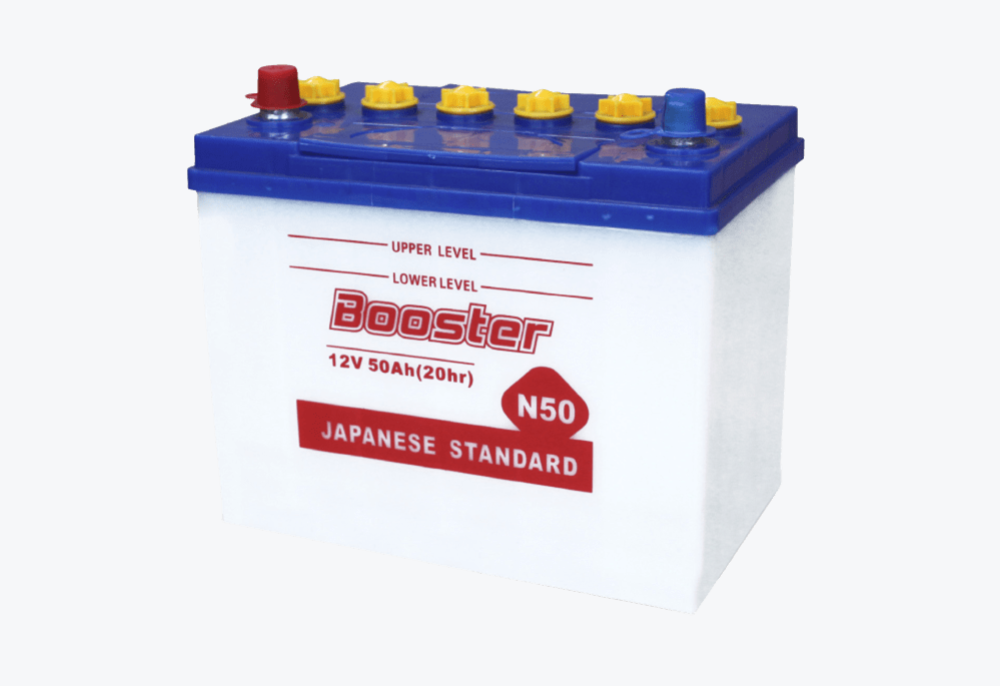
Maintenance free types use sealed covers, advanced alloys, and tight gas control, while older types often have removable caps.
| Feature | Maintenance Free | Conventional |
|---|---|---|
| Caps | Sealed | Removable |
| Water Top‑up | Not required | Often required |
2. Service Requirements and Safety
Maintenance free batteries cut routine checks and reduce acid exposure, making them easier and safer for daily users.
- Less manual inspection
- Lower spill risk
- Cleaner engine bay
3. Performance and Typical Applications
Thanks to better grids and plate design, maintenance free models offer strong cold starts and stable voltage for modern vehicles.
- Best for passenger cars and light trucks
- Ideal where access is limited
- Supports high electrical loads
Conclusion
Maintenance free lead‑acid batteries combine sealed construction, gas recombination, and smart plate design to deliver reliable power with minimal user attention.
Models like the MF NX110-5/80D26R 12V 68Ah Maintenance-free Battery, MF55D23R 12V 50Ah Maintenance-free Battery, and MFNS40Z/36B20R 12V 36Ah Maintenance-free Battery show how modern designs improve safety and reduce upkeep.
Frequently Asked Questions about maintenance free battery
1. Do I ever need to add water to a maintenance free battery?
Under normal use, you do not add water. The sealed design and gas recombination keep electrolyte levels stable throughout the service life.
2. How long does a maintenance free car battery usually last?
Most maintenance free car batteries last 3–5 years, depending on climate, charging system health, and driving habits such as frequent short trips.
3. Can I use a conventional charger on a maintenance free battery?
You can, but a smart charger with automatic voltage and current control is better. It limits overcharge, heat, and water loss.
4. How do I know when a maintenance free battery is failing?
Common signs include slow engine cranking, dim headlights at idle, clicking sounds when starting, and battery warning lights on the dashboard.