



 en
en


You just wanted a simple NASA-grade battery plan, but now you’re buried in specs, acronyms, and charts that look like they need their own rocket scientist.
This 2026 Market Outlook and Procurement Guide untangles that mess, pairing your needs with clear data and NASA-aligned standards, supported by reports like the NASA In-Space Propulsion Technology roadmap.
🔭 Global demand drivers for NASA-grade batteries through 2026
NASA’s 2026 battery outlook shows strong growth from deep-space probes, commercial satellites, and defense users that now demand longer life, higher safety, and lighter power systems.
Demand also rises from ground support, mobile command, and backup power, where space-grade reliability guides future military and industrial battery standards worldwide.
1. Expansion of deep-space and lunar missions
Lunar bases, Gateway stations, and Mars probes need durable packs that survive radiation, vacuum, and extreme temperature swings for many years.
- High cycle life for long missions
- Wide temperature range performance
- Radiation-tolerant designs
2. Growth in commercial satellite constellations
Large low‑Earth‑orbit constellations copy NASA practices to cut risk. This pushes global demand for stable, high‑density batteries with predictable end‑of‑life behavior.
| Orbit Type | Battery Priority |
|---|---|
| LEO | Fast cycling, low mass |
| MEO/GEO | Long service life |
3. Defense and dual‑use applications
Military vehicles and radar systems adopt NASA‑inspired standards for safety and ruggedness. Products like the 6TN 12V 100Ah Dry-charged Battery suit harsh, tactical environments.
4. Ground systems and portable power
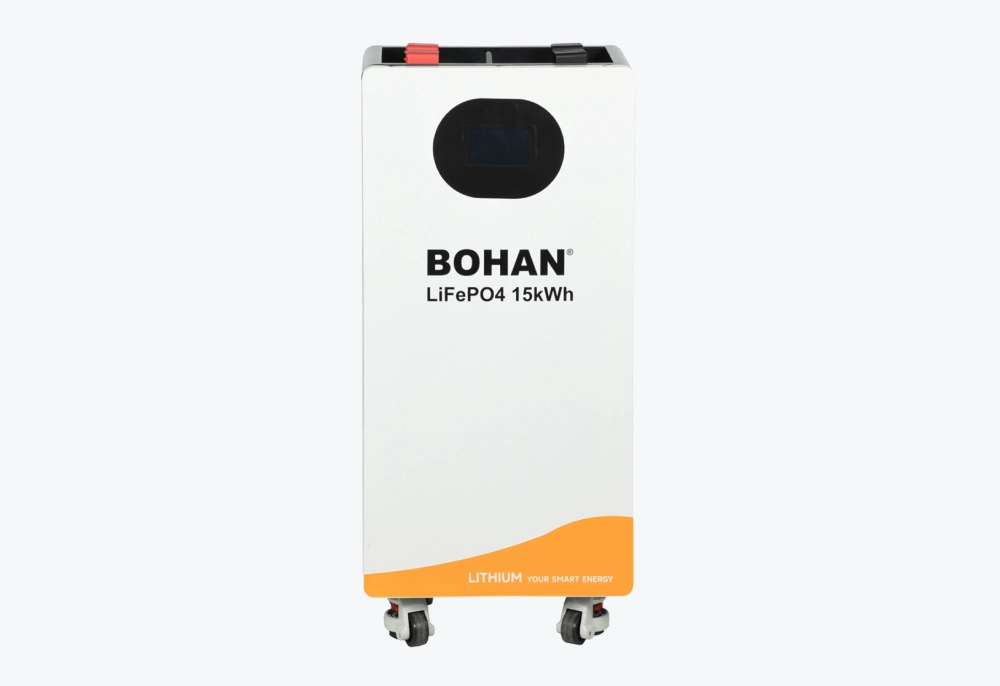
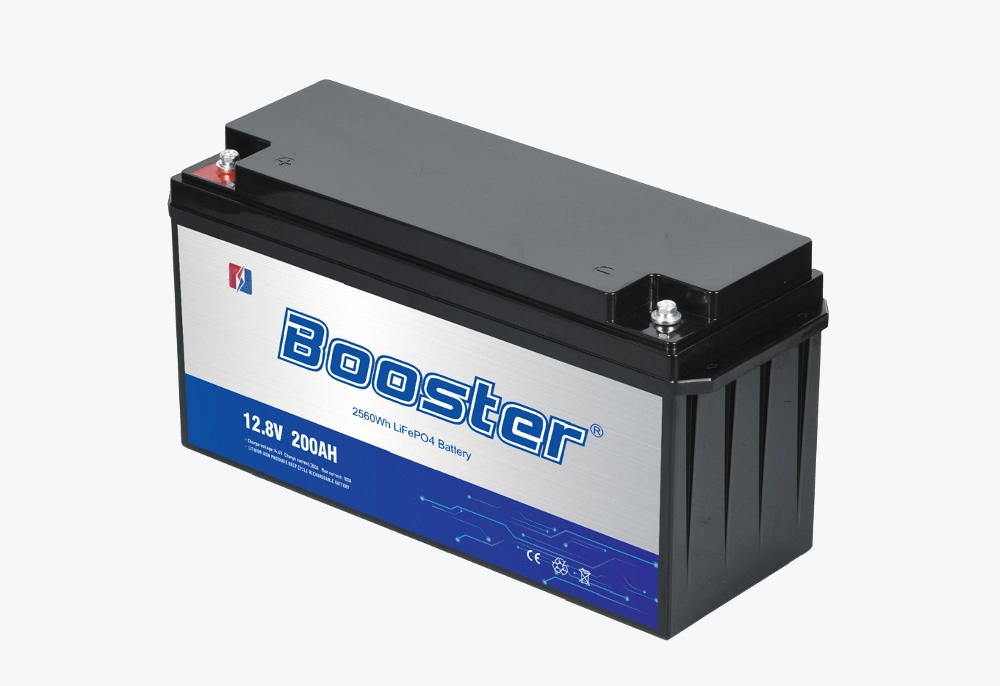
Space centers and field labs rely on stable backup and mobile power. They favor modular packs like the 12.8V 200ah Lithium Ion Rechargeable Battery Portable Power Storage LiFePO4 Battery.
⚙️ Key technical specifications for next-generation NASA mission batteries
NASA-focused buyers in 2026 target clear metrics: energy density, cycle life, safety, and fault‑tolerant design that remains stable under vacuum, shock, and extreme temperatures.
Procurement teams compare chemistries and form factors while tracking integration with solar arrays, power management units, and intelligent battery management systems.
1. Energy density and mass balance
Higher Wh/kg allows more payload or longer missions. Engineers weigh density gains against safety margins and thermal control needs.
- Target: high Wh/kg with stable voltage
- Optimized for launch loads
2. Cycle life and depth of discharge
NASA guidelines stress high cycle life at controlled depth of discharge. Buyers test cells in mission‑like charge and eclipse cycles.
| Chemistry | Typical Cycles (80% DoD) |
|---|---|
| Lead–acid | 500–800 |
| LiFePO4 | 3000–6000 |
3. Safety, thermal stability, and monitoring
Designs must avoid thermal runaway and must support real‑time monitoring. This includes voltage, temperature, and state‑of‑health tracking.
- Redundant sensors
- Fail‑safe protection circuits
4. Reliability modeling and radiation tolerance
NASA projects use physics‑based models plus radiation testing. Batteries must withstand vacuum, vibration, and multi‑year exposure to cosmic rays.
📈 Price trends, cost structures, and budgeting for 2026 battery projects
By 2026, buyers expect softer lithium prices but tighter quality rules, making total lifecycle cost more important than simple upfront purchase price.
NASA‑style projects budget for testing, documentation, and redundancy, not just cells and packs, to avoid costly in‑mission failures.
1. Cost components to track
Procurement plans should separate raw cell cost, pack integration, testing, and long‑term maintenance support when building budgets.
- Cell and module price
- Mechanical and BMS integration
- Environmental and safety tests
2. 2026 price tendencies by chemistry
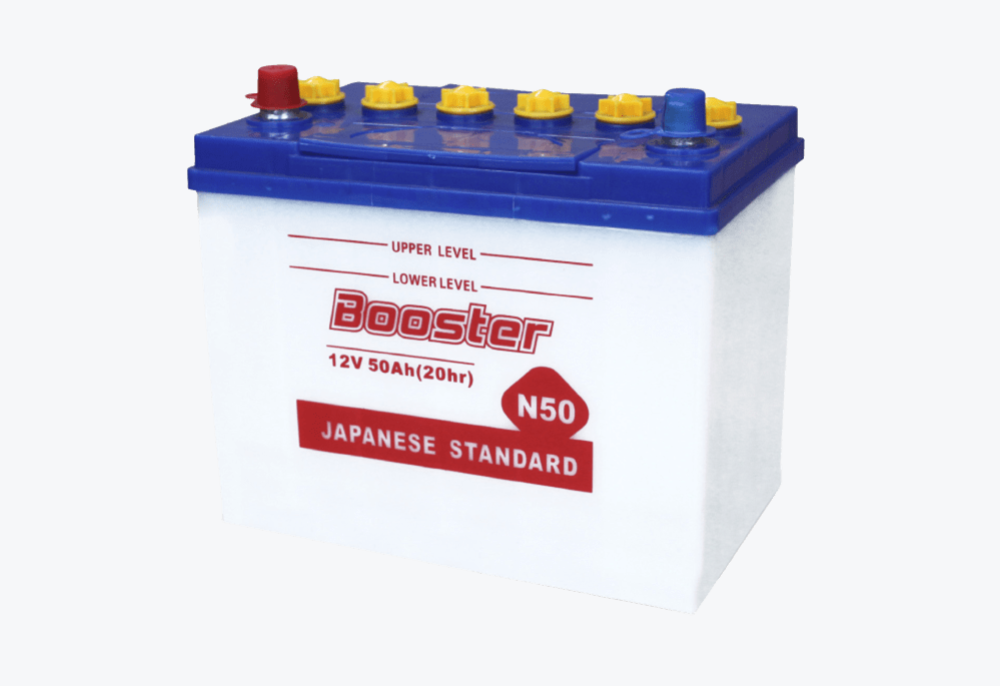
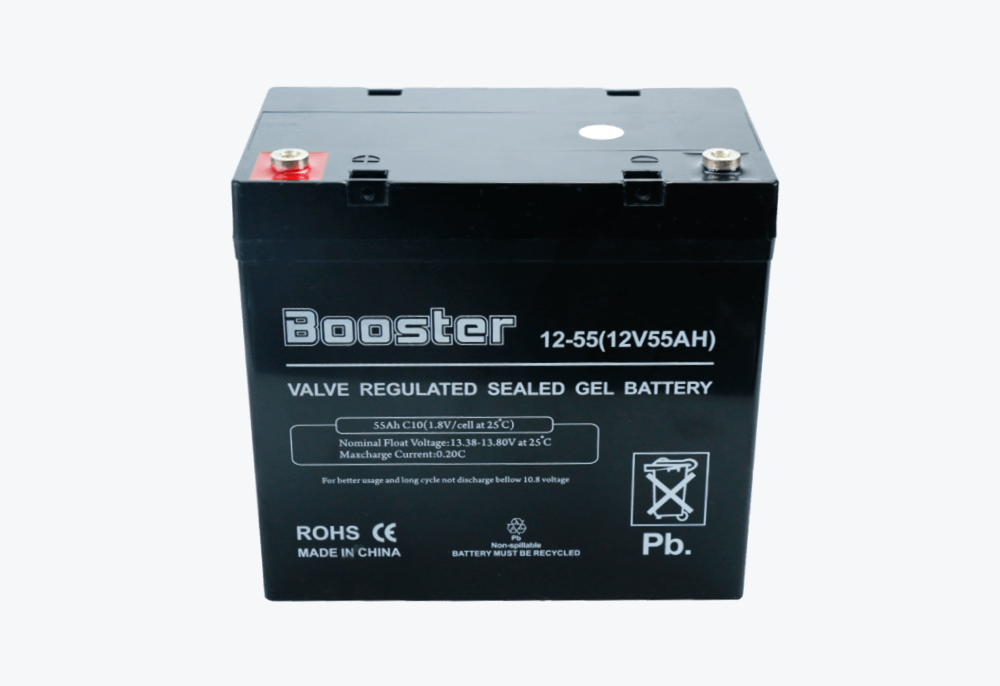
Lead–acid stays cost‑effective for rugged ground use, with products like the N100 12V 100Ah Dry-charged Battery. LiFePO4 prices fall as production scales.
3. Budgeting best practices for NASA-style projects
Teams should include spares, qualification tests, and extra logistics when planning multi‑year mission or defense battery programs.
🛰️ Supplier evaluation criteria and why JUST meets NASA-level standards
High‑reliability missions need suppliers with proven quality systems, traceable materials, and strong engineering support across design, testing, and after‑sales phases.
JUST focuses on military and industrial markets, so its batteries align well with space‑inspired expectations for durability, safety, and performance consistency.
1. Quality systems and certifications
Buyers should verify ISO certifications, testing reports, and consistent process control before adding a supplier to approved NASA‑style vendor lists.
- Documented QC procedures
- Batch traceability
- Regular third‑party audits
2. Engineering support and customization
JUST can assist with voltage, capacity, and housing changes, helping integrators match mission profiles while staying inside critical safety limits.
3. Proven track record in harsh environments
History with military vehicles, telecom backup, and remote power proves the robustness needed for NASA‑inspired and aerospace‑adjacent projects.
📦 Logistics, storage, and lifecycle management strategies for JUST batteries
Effective logistics and storage keep NASA‑grade batteries stable, safe, and ready, while lifecycle planning lowers total cost and unplanned downtime.
JUST supports structured transport, warehousing, and health monitoring approaches to extend usable life and secure mission readiness.
1. Safe packaging and compliant transport
Shipments must follow UN38.3, IATA, and local rules. Proper packing limits shock, vibration, and short‑circuit risks in transit.
- Impact‑resistant cartons
- Terminal protection
- Clear hazard labels
2. Optimal storage conditions
Store batteries in dry, cool rooms and keep them partially charged. Regular inspections prevent swelling, leaks, or self‑discharge problems.
| Parameter | Recommended Range |
|---|---|
| Temperature | 15–25°C |
| Humidity | <65% RH |
| Charge level | 40–60% for Li‑ion |
3. Lifecycle monitoring and replacement planning
Use logs or BMS data to track cycles and capacity fade. Plan replacements before critical missions to reduce risk.
Conclusion
NASA’s 2026 battery outlook highlights rising demand for safe, long‑life power in space, defense, and critical infrastructure. Buyers must balance cost, performance, and risk carefully.
JUST batteries, with rugged lead–acid and advanced LiFePO4 options, help integrators follow NASA‑style standards while keeping projects practical, testable, and budget‑friendly.
Frequently Asked Questions about NASA BATTERY
1. What makes a battery “NASA-grade”?
NASA‑grade batteries meet strict rules for safety, cycle life, and reliability under harsh conditions like vacuum, radiation, vibration, and extreme temperatures.
2. Are JUST batteries suitable for space missions?
JUST designs for military and industrial use with NASA‑like needs. Final use in space still requires project‑specific qualification and agency approval.
3. Why choose LiFePO4 for 2026 projects?
LiFePO4 offers high cycle life, good safety, and stable voltage. It works well for long missions, mobile power, and critical backup applications.
4. How should I store NASA-style batteries long term?
Keep batteries in a cool, dry place, avoid full charge or full discharge, and test them on a regular schedule to confirm health.