



 en
en


Your devices die faster than your motivation on Monday mornings, and every “low battery” ping feels like a personal attack, turning power banks into your clingy best friends and outlet hunting into an extreme sport.
NORD BATTERY’s high-density cells, long cycle life, and smart thermal control keep your gear running longer; this aligns with global trends toward safer, efficient storage highlighted in the IEA Global EV Outlook 2024.
🔋 Basic structure of NORD BATTERY cells and internal components
NORD BATTERY uses a layered cell design with stable electrodes, safe electrolytes, and a strong housing. This structure supports high safety, long life, and steady power output.
The optimized layout of tabs, separators, and busbars reduces internal resistance. This helps the battery keep low heat rise, fast response, and strong reliability in daily use.
1. Electrode materials and current collectors
The cathode and anode use coated metal foils to move lithium ions quickly. This design keeps voltage stable and supports long cycle life.
- High-strength aluminum and copper foils
- Uniform active material coating
- Low internal resistance for fast power delivery
2. Separator and electrolyte system
A microporous separator and stable electrolyte guide ion flow while stopping short circuits. This keeps the cell safe under normal and heavy loads.
- High thermal shrink temperature
- Good wetting with electrolyte
- Fast ion transport for better efficiency
3. Cell casing and mechanical structure
Robust metal or polymer cases protect the active layers from shock and moisture. Reinforced corners and seals reduce failure risk.
- Strong outer shell against impact
- Corrosion-resistant surface treatment
- Precision sealing process
4. Module architecture and system integration
Cells connect in series and parallel to form modules and packs. Smart layout supports easy service and better airflow.
- Flexible module scaling for different voltages
- Built-in sensing points for BMS monitoring
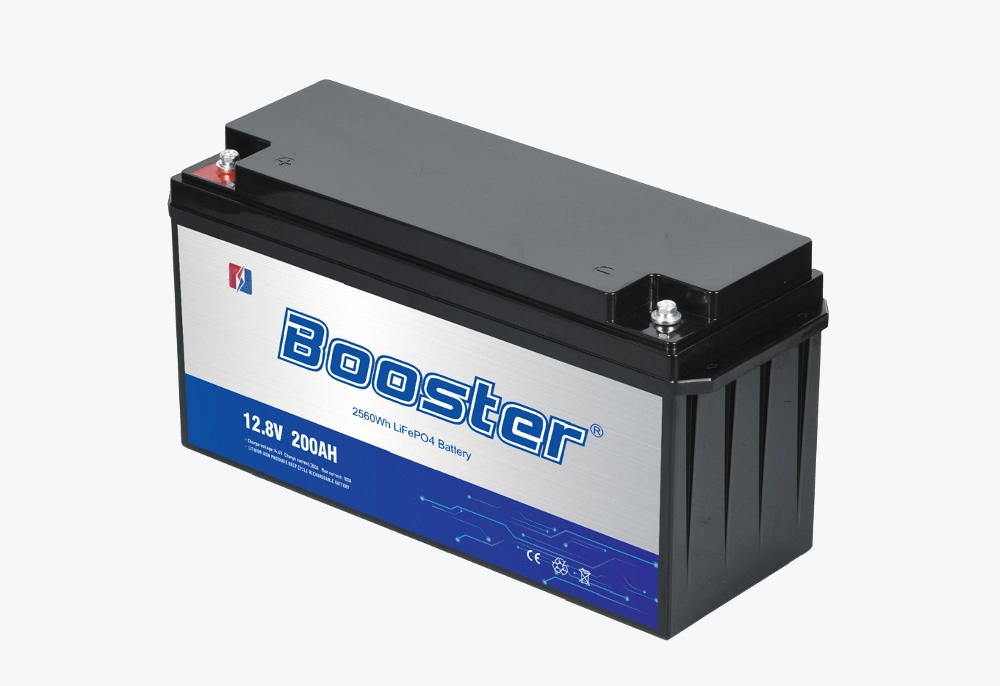
- Supports systems like 12V180Ah Middle Series Battery
⚙️ Charge–discharge working principle and electrochemical reaction process
During charging, lithium ions move from cathode to anode and store energy. During discharge, ions flow back, releasing stable power for devices and systems.
The battery management system (BMS) tracks voltage, current, and temperature to keep reactions within a safe range and improve energy efficiency.
1. Ion migration pathways during charging
Charging makes lithium ions move through the electrolyte to the anode. Controlled current and voltage reduce stress on materials.
| Phase | Main Action | Control Goal |
|---|---|---|
| Constant current | Fast ion insertion | Limit heating |
| Constant voltage | Top balancing | Protect cell life |
2. Discharge behavior and voltage curve
During discharge, the cell keeps a flat voltage curve for most of the cycle. This supports stable loads such as inverters and DC systems.
- Steady output under changing loads
- Low voltage drop at high current
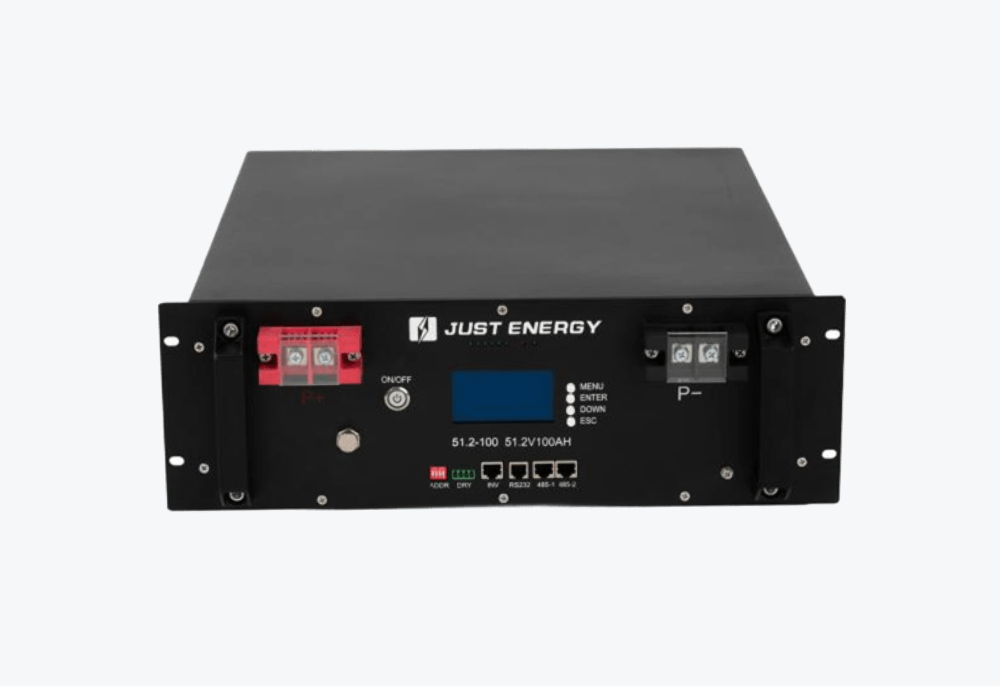
- Good match with High Quality 48V 100ah Lithium Ion Rechargeable LiFePO4 Battery
3. Simple ECharts-based charge–discharge data analysis
The following code example shows how to analyze charge and discharge performance data with a bar chart using ECharts, helping compare capacity and efficiency.
4. Role of BMS in reaction control
The BMS monitors each cell and adjusts charging to avoid overcharge, overdischarge, and unbalanced states between cells.
- Cell voltage balancing
- Overcurrent and short-circuit cutoff
- Data logging for life analysis
🌡️ Thermal management design and safety protection mechanisms in NORD BATTERY
NORD BATTERY uses active and passive cooling, plus electronic protection, to keep temperature stable and prevent thermal runaway during harsh operation.
These designs improve safety for high-power use and extend battery life across wide climate conditions.
1. Heat dissipation paths and cooling structure
Careful layout creates clear heat paths from cells to external surfaces. This keeps cell temperatures closer and reduces local hot spots.
- Aluminum heat sinks for fast conduction
- Optimized air channels between modules
- Support for forced-air or liquid cooling
2. Multi-level electrical protection
Protection circuits work with the BMS to cut power in unsafe states. This helps avoid damage to cells and connected devices.
| Function | Trigger | Action |
|---|---|---|
| Overvoltage | Cell exceeds limit | Stop charge |
| Overcurrent | Load surge | Open circuit |
| Overtemperature | Heat above range | Reduce power |
3. Fire prevention and fault isolation
Robust cell spacing, flame-retardant materials, and fuses limit the spread of faults. This design protects both users and nearby equipment.
- Flame-retardant housings and cables
- Fast-blow fuses on main lines
- Independent module shutoff paths
📊 Key technical parameters: capacity, efficiency, cycle life, and energy density
NORD BATTERY balances capacity, efficiency, and cycle life to support long-term energy storage with stable performance and low total cost of ownership.
These parameters guide system design for solar storage, backup power, and industrial power systems.
1. Capacity and usable depth of discharge
Rated capacity defines total stored energy, while the recommended depth of discharge sets the safe usable part for long cycle life.
| Parameter | Typical Value |
|---|---|
| Nominal capacity | 50–300 Ah range |
| Recommended DoD | 80–90% |
2. Round-trip efficiency and cycle life
High charge–discharge efficiency and strong cycle life reduce energy loss and replacement cost in long-term use.
- Round-trip efficiency often above 95%
- Cycle life in thousands of cycles at rated DoD
- Stable performance for daily cycling
3. Energy density and system integration
Good gravimetric and volumetric energy density cut space needs, making NORD BATTERY suitable for compact energy storage and mobile power.
- High space utilization in racks
- Easy match with PV modules such as 600W Half Cell High Efficiency Mono PV Module Solar Panel for Solar Energy System
- Lower installation footprint
🧰 Practical application scenarios and maintenance tips for NORD BATTERY systems
NORD BATTERY fits solar storage, backup power, and industrial systems that need safe, stable, and efficient electricity across many working conditions.
Simple, regular maintenance keeps performance strong and extends service life, even under frequent cycling and changing loads.
1. Renewable energy and home storage
NORD BATTERY stores energy from solar or wind systems and supports self-consumption, peak shaving, and backup during grid outages.
- Pair with inverters and PV arrays
- Support off-grid or hybrid systems
- Quiet, low-maintenance operation
2. Industrial backup and telecom use
Stable voltage, fast response, and strong cycle life make NORD BATTERY suitable for UPS systems, data centers, and telecom base stations.
- Quick power transfer during grid loss
- Long runtime for critical loads
- Remote monitoring by BMS
3. Daily maintenance and operating advice
Users should keep batteries in a clean, dry, and ventilated area, and follow charging rules to extend life and avoid failures.
- Avoid deep discharge below set limits
- Check terminals and cables regularly
- Record key data for early fault detection
Conclusion
NORD BATTERY combines a stable internal structure, smart electrochemical control, and strong safety design to offer reliable power for many applications.
By understanding its working principle and key technical parameters, users can design efficient systems, protect investment, and enjoy long, safe operation.
Frequently Asked Questions about NORD BATTERY
1. How long does a NORD BATTERY usually last?
Service life depends on depth of discharge, temperature, and charging control. With proper use and BMS protection, NORD BATTERY can reach several thousand cycles.
2. Can NORD BATTERY work with existing solar systems?
Yes. As long as inverter and controller settings match the battery’s voltage and charge profile, NORD BATTERY can integrate with most solar and storage systems.
3. What maintenance does NORD BATTERY require?
Routine checks include inspecting terminals, confirming BMS readings, keeping ventilation clear, and avoiding long-term storage at very high or very low state of charge.
4. Is NORD BATTERY safe in high-temperature environments?
Thermal management and built-in protection enhance safety, but it is best to install the battery in a shaded, ventilated space within the recommended temperature range.