



 en
en


Your gadgets eat batteries like snacks, your budget cries, and picking the right dry cell feels harder than choosing a streaming service—especially with 2026 market forecasts buzzing in the background.
Relax. Use data-backed demand, pricing, and technology trends from the IEA Global EV Outlook to choose stable suppliers, negotiate smarter contracts, and plan battery purchases with confidence.
🔋 Rising global demand drivers for dry cell batteries by 2026
By 2026, global demand for dry cell batteries will rise steadily as mobility, digitalization, and backup power needs grow across homes, industry, and transport.
Manufacturers that align capacity, technology, and cost control will capture higher-value segments while serving stable mass-market demand worldwide.
1. Expansion of automotive and transportation applications
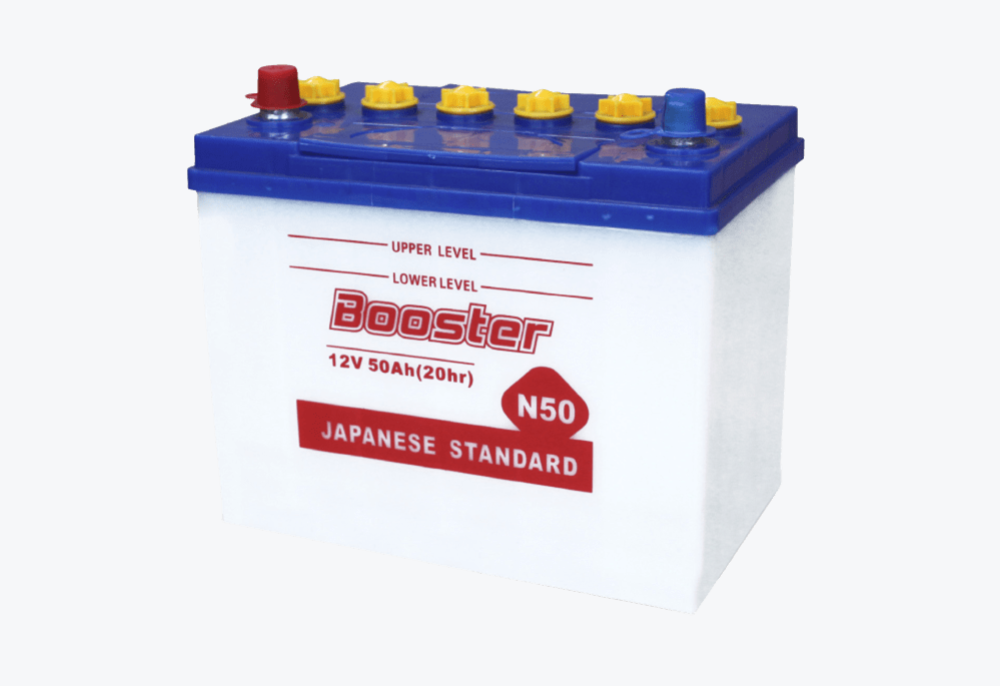
Automotive, motorcycle, and light commercial vehicles will keep driving volume. Reliable products like the N40 12V 40Ah Dry-charged Battery support replacement demand in both mature and emerging fleets.
- Strong replacement cycles in gasoline and diesel vehicles
- Growth in two- and three-wheelers in Asia and Africa
- Need for stable cold-cranking performance
2. Industrial backup and telecom infrastructure
Telecom towers, data centers, and small industrial systems rely on dry cell batteries for secure backup power during grid instability and outages.
- 5G rollout and rural network expansion
- Stronger uptime requirements for cloud services
- Rising need for modular backup solutions
3. Off-grid and rural electrification projects
Off-grid solar kits and hybrid systems use dry cell batteries to store energy, especially in remote regions with weak grid access.
| Region | Main Use |
|---|---|
| Africa | Solar home systems, mini-grids |
| South Asia | Rural homes, small shops |
| Latin America | Community energy projects |
4. Consumer electronics and small devices
Remote controls, toys, flashlights, and small tools still rely on low-cost dry cell batteries, keeping stable base demand through 2026.
- High replacement frequency
- Preference for easy-to-store batteries
- Growth in smart home accessories
🌍 Regional growth hotspots and emerging markets for dry cell battery production
By 2026, Asia-Pacific, the Middle East, and Africa will show the fastest growth in dry cell battery production and consumption.
Localized manufacturing, cost advantages, and policy support will attract new investment, while Europe and North America remain strong in higher-spec segments.
1. Asia-Pacific as the primary production hub
China, India, and Southeast Asia lead in volume due to integrated supply chains, competitive labor, and strong regional vehicle and telecom markets.
- Large domestic demand base
- Scale advantages in materials sourcing
- Export-driven production models
2. Europe’s shift toward higher-value segments
Europe focuses on premium, long-life, and low-emission products, often used in critical backup and advanced automotive applications.
| Focus Area | Market Role |
|---|---|
| R&D | Improved chemistry and safety |
| Quality | High reliability standards |
| Regulation | Strict environmental rules |
3. North America’s steady replacement market
North America shows stable replacement demand, especially in vehicles, backup systems, and light industrial use, with interest in advanced dry-charged designs.
- Strong car parc supporting replacements
- Growth in small commercial fleets
- Premium segment demand for long life
4. Rising opportunities in Middle East, Africa, and Latin America
Urbanization and infrastructure projects in these regions strengthen demand for robust batteries like the N150 12V 150Ah Dry-charged Battery.
- Telecom expansion
- Construction and mining equipment
- Solar and hybrid power systems
📈 Price trends, raw material costs, and profitability outlook for 2026
By 2026, dry cell battery prices will reflect tighter control of lead, plastics, and energy costs while competition keeps margins under pressure.
1. Lead and key material cost volatility
Lead remains the main cost driver. Price swings push producers to hedge, boost recycling, and optimize designs to use less material per unit.
- Close tracking of metal markets
- More secondary (recycled) lead use
- Longer supplier contracts
2. Production efficiency and scale effects
Automation and higher plant utilization will help protect margins, especially for modular products like the DIN50 12V 50Ah Dry-charged Battery.
| Factor | Impact on Profitability |
|---|---|
| Automation | Lower unit labor cost |
| Standardized designs | Cheaper tooling and logistics |
| Energy management | Reduced power expenses |
3. Competitive pricing and value-added features
Manufacturers will differentiate with longer warranties, better cold-start performance, and improved safety while keeping base prices competitive.
- Tiered product portfolios
- More OEM partnerships
- Service-based offers for large buyers
🏭 Technological improvements shaping performance and lifecycle of dry cell batteries
Technology advances will extend service life, improve reliability, and reduce maintenance needs, reinforcing the role of dry cell batteries in key applications.
1. Enhanced plate design and grid alloys
Improved grid structures and alloy mixes cut corrosion and extend cycle life, especially in demanding start-stop and backup use cases.
- Better charge acceptance
- Higher resistance to vibration
- Longer storage stability
2. Smarter charging and battery management
Advanced chargers and basic management systems will reduce overcharge, improve safety, and keep performance stable across temperature and load changes.
| Improvement | Benefit |
|---|---|
| Multi-stage charging | Less sulfation, longer life |
| Temperature sensing | Safer operation |
| Status indicators | Easier maintenance |
3. Longer shelf life and dry-charged advantages
Dry-charged batteries can be stored longer before activation, helping distributors reduce stock losses and support export markets more efficiently.
- Lower self-discharge during storage
- Flexible shipping and warehousing
- Better readiness for seasonal demand
♻️ Environmental regulations, recycling policies, and sustainability targets influencing market dynamics
By 2026, stricter environmental rules and recycling targets will push producers to redesign products and expand closed-loop material systems.
1. Tighter rules on lead handling and emissions
Governments enforce tougher standards on emissions, worker safety, and waste, raising compliance costs but also driving cleaner technologies.
- Upgraded smelting and refining systems
- Improved plant ventilation and filtration
- More frequent audits and reporting
2. Expansion of formal recycling networks
Mandatory collection schemes and higher recycling targets will expand formal recyclers, reducing informal, unsafe practices in many emerging markets.
| Policy Tool | Expected Effect |
|---|---|
| Deposit schemes | Higher return rates |
| Producer responsibility | Stronger take-back systems |
| Recycling targets | More secondary material use |
3. Sustainability as a market differentiator
Buyers increasingly check sourcing, recycling, and carbon footprints, rewarding brands that show clear, certified sustainability practices.
- Lifecycle assessments for major models
- Use of recycled plastics and metals
- ESG reporting for global customers
Conclusion
By 2026, the dry cell battery market will remain essential for vehicles, telecom, off-grid power, and consumer devices, even as newer chemistries grow.
Producers that control material costs, invest in efficient plants, and adopt strong recycling and sustainability practices will gain long-term competitive advantages.
Frequently Asked Questions about dry cell and battery
1. What is a dry cell battery?
A dry cell battery is a sealed electrochemical cell that uses a paste or immobilized electrolyte, making it easy to transport, store, and use without spilling.
2. How long can dry-charged batteries be stored before use?
Dry-charged batteries can often be stored for many months, sometimes over a year, if kept in cool, dry conditions and activated correctly before service.
3. Where are dry cell batteries most commonly used?
They are widely used in vehicles, motorcycles, telecom towers, backup power units, off-grid solar systems, and everyday devices like toys and flashlights.
4. How do recycling programs affect dry cell battery costs?
Effective recycling increases the supply of secondary lead and plastics, which can reduce raw material costs and make pricing more stable over time.
5. Are dry cell batteries still relevant with newer chemistries emerging?
Yes. While lithium-based chemistries grow, dry cell and lead-based systems remain highly competitive for cost-sensitive, rugged, and backup applications worldwide.