



 en
en



Your gadgets die faster than your patience, your power bank cries for help, and “low battery” pops up more than work emails—understanding SILEX BATTERY suddenly feels like a survival skill.
This guide explains SILEX BATTERY working principles and core tech in simple steps, backed by research from the International Energy Agency, so you can pick smarter, longer-lasting energy solutions.
🔋 Basic structure of SILEX BATTERY and energy storage mechanism
SILEX BATTERY uses advanced cell architecture, stable electrodes, and a smart management system. It stores energy through fast ion movement between electrodes, giving high safety and long life.
The design focuses on simple structure, strong cycle stability, and easy integration into backup power, solar storage, and industrial applications.
1. Cell architecture and electrode layout
The core cell includes anode, cathode, separator, and electrolyte. SILEX optimizes coating thickness and porosity to balance energy density, power output, and safety.
- High surface area electrodes for fast charge
- Reinforced current collectors for low resistance
- Uniform separator to prevent internal short circuits
2. Electrolyte system and ion channels
The electrolyte offers stable ion flow across a wide temperature range. It supports high cycle counts while reducing gas generation and side reactions.
| Feature | Benefit |
|---|---|
| High ionic conductivity | Lower internal loss |
| Wide temperature window | Stable outdoor use |
| Low corrosion rate | Longer service life |
3. Energy storage mechanism
During charging, ions move from the cathode to the anode and are stored in a stable structure. During discharge, ions return, releasing electrical energy to the load.
- Reversible ion intercalation or conversion reactions
- Minimal volume change to reduce stress
- Optimized additives for stable solid–electrolyte interface
4. Role of the Battery Management System (BMS)
The BMS supervises voltage, current, and temperature in real time. It balances cells and prevents abuse conditions that can damage the pack.
- Cell balancing to extend life
- State of charge and health estimates
- Fault logging for predictive maintenance
⚙️ Charge and discharge working principle of SILEX BATTERY cells
SILEX cells use reversible electrochemical reactions. The system manages current flow, controls voltage limits, and keeps internal resistance low for efficient charging and discharging.
This controlled process improves round-trip efficiency, reduces heat, and supports large systems such as UPS, telecom, and solar storage.
1. Charging stages and control
The charging process often includes constant current, constant voltage, and float or standby stages, optimized for different SILEX chemistries.
| Stage | Function |
|---|---|
| Constant current | Fast energy input |
| Constant voltage | Prevent overcharge |
| Float / standby | Maintain full charge safely |
2. Discharge behavior and load response
Under load, ions return to the cathode, and electrons flow through the circuit. SILEX packs keep voltage stable even under pulse or high current conditions.
- Flat discharge curve for stable power
- Good low-temperature performance
- Fast recovery from high current bursts
3. Efficiency and cycle performance analysis
Engineers track round‑trip efficiency, depth of discharge, and capacity fade. A simple bar chart can visualize cycle life at different discharge depths.
4. Integration with UPS and solar power systems
SILEX cells work with inverters, controllers, and monitoring systems to deliver stable DC and AC power for both grid-tied and off-grid scenarios.
- Compatible with MPPT solar controllers
- Fast response for UPS switching
- Remote data and alarm support
🧪 Core materials, ion transport paths, and performance influencing factors
SILEX BATTERY performance depends on electrode materials, electrolyte design, and clean ion paths that remain stable across many cycles and temperature changes.
Engineers refine crystal structure, particle size, and binder systems to improve conductivity and reduce degradation.
1. Electrode materials and structure
Careful selection of active materials and conductive additives gives high capacity and strong mechanical stability.
- Optimized particle size distribution
- Robust binder networks
- Corrosion‑resistant current collectors
2. Ion transport paths inside the cell
Ions travel through electrolyte, pores in electrodes, and across interfaces. Short, open paths lower resistance and heat generation.
| Path Element | Impact |
|---|---|
| Electrolyte | Controls overall conductivity |
| Electrode pores | Affects diffusion speed |
| Interfaces | Key for long-term stability |
3. Key factors that affect performance
Temperature, charge rate, depth of discharge, and mechanical stress all shape lifetime and safety of SILEX BATTERY systems.
- Moderate temperature extends cycle life
- Avoiding constant deep discharge protects capacity
- Proper mounting reduces vibration damage
🛡️ Safety design, protection mechanisms, and thermal management technology
SILEX BATTERY adds multi‑layer protection, fault detection, and thermal control to keep systems stable, even under heavy load or harsh conditions.
Designers combine hardware and software to prevent overcharge, over‑discharge, and thermal runaway.
1. Electrical protection and fault control
Protection circuits and the BMS prevent unsafe conditions by monitoring limits and quickly disconnecting faulty strings or packs.
- Over‑voltage and under‑voltage cut‑off
- Over‑current and short‑circuit protection
- Isolation checks for system safety
2. Thermal design and cooling methods
Good thermal paths move heat away from cells. Systems may use air channels, heat sinks, or liquid cooling in high‑power cases.
| Method | Use Case |
|---|---|
| Natural air flow | Small indoor packs |
| Forced air | Telecom and UPS racks |
| Liquid cooling | High‑power storage cabinets |
3. Standards, testing, and certifications
SILEX BATTERY products follow strict tests for shock, vibration, temperature, and electrical abuse before entering the market.
- Cycle and calendar life tests
- Safety and abuse testing
- Compliance with global standards
📊 Application scenarios, performance advantages, and JUST system integration方案
SILEX BATTERY supports backup power, solar storage, and critical infrastructure. JUST integrates cells into complete, ready‑to‑deploy systems.
This offers fast installation, strong after‑sales support, and consistent performance across projects of different sizes.
1. Backup power and UPS applications
For data centers and telecom rooms, SILEX solutions deliver stable runtime and fast recharge for critical backup power needs.
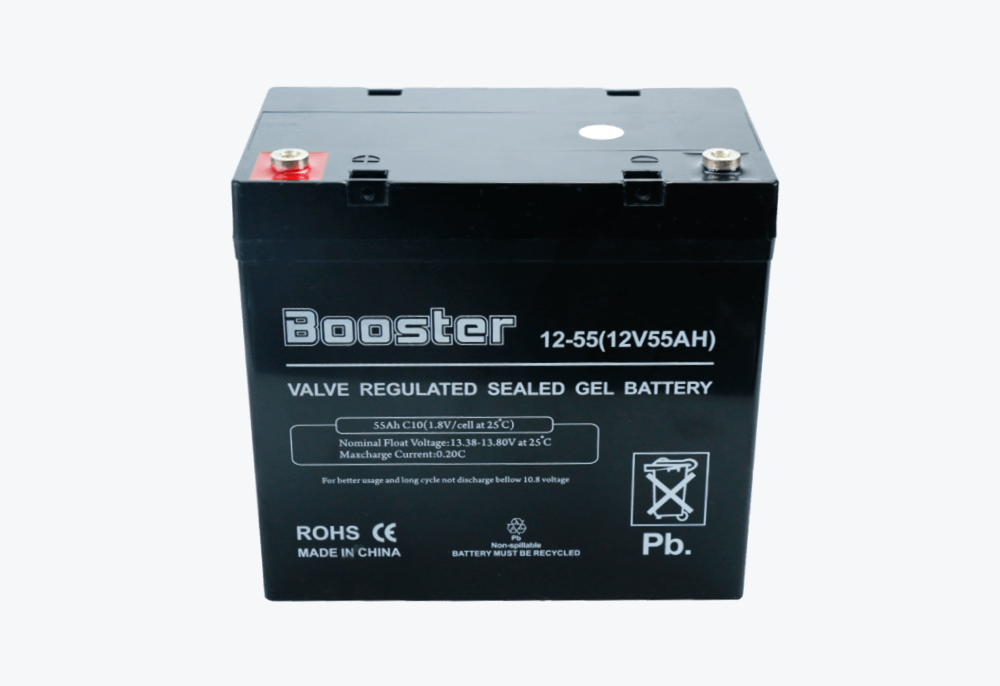
The MF N170 12V 170Ah Maintenance-free Battery is a typical option for reliable standby use.
2. Telecom, front‑terminal, and rack systems
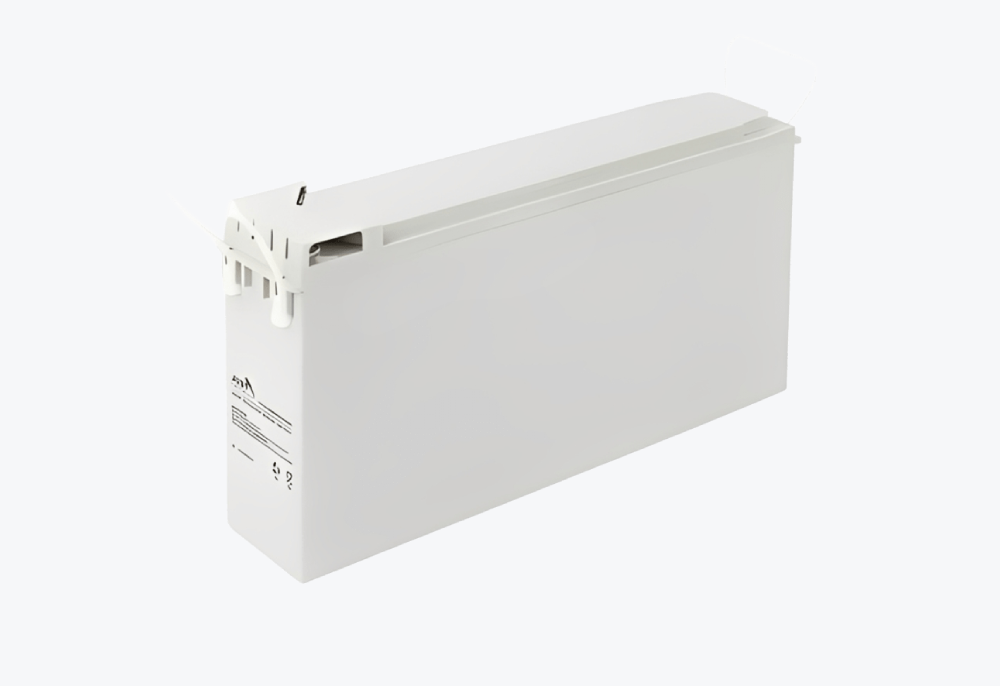
Front‑terminal designs save space and simplify maintenance in cabinets and racks, especially in telecom and network base stations.
The 12V 180Ah Front Terminal Sealed Lead Acid UPS Battery fits dense racks and supports long backup durations.
3. Solar energy storage and hybrid systems
SILEX BATTERY pairs with inverters and solar panels to store daytime energy and supply stable power at night or during grid failures.
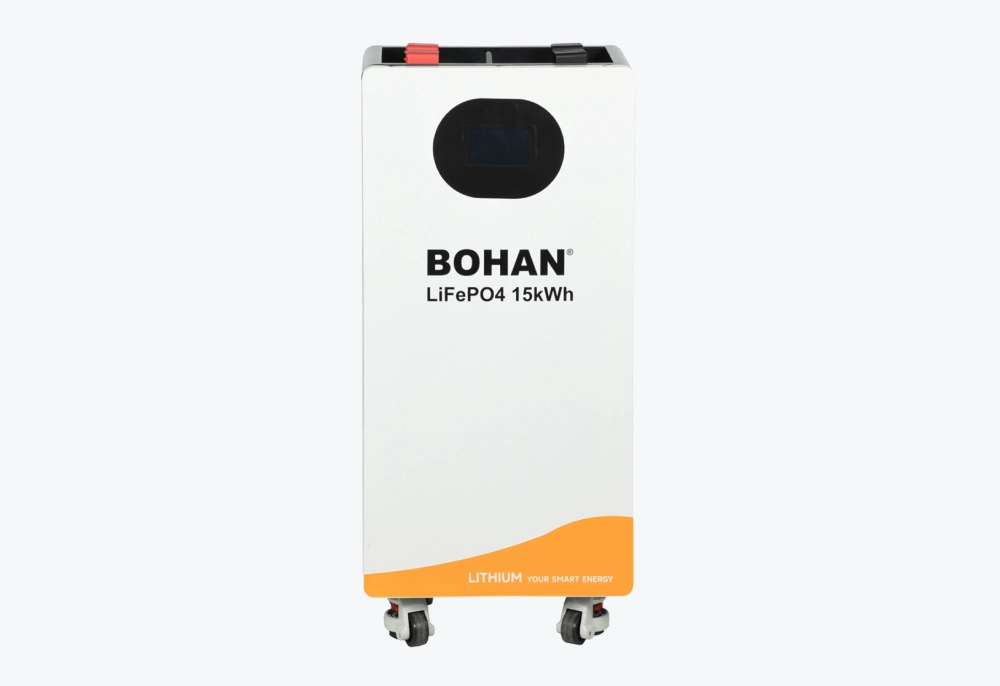
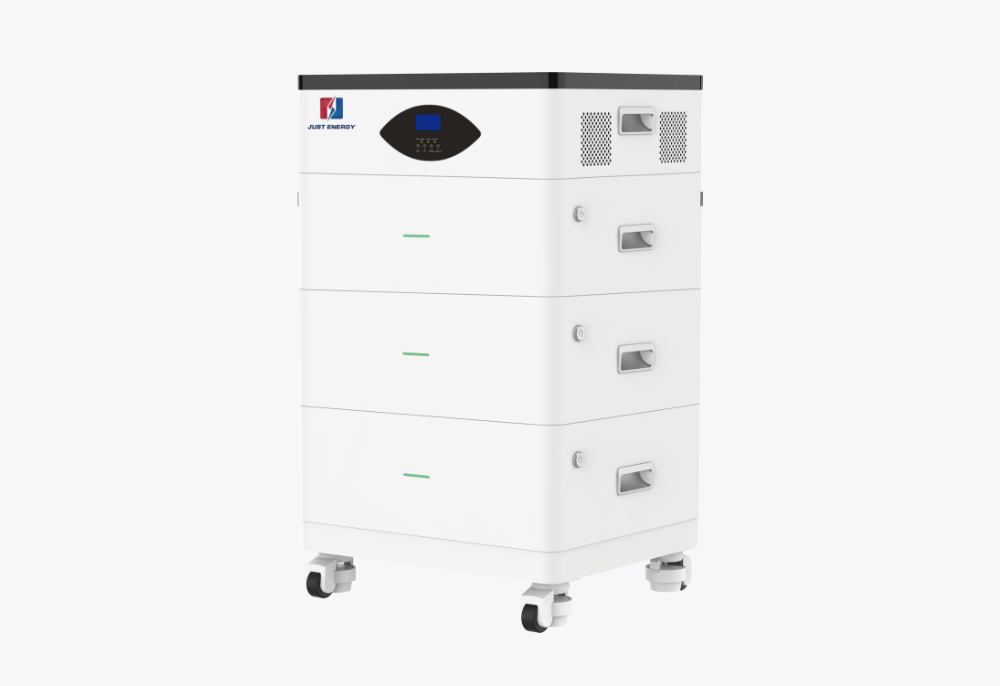
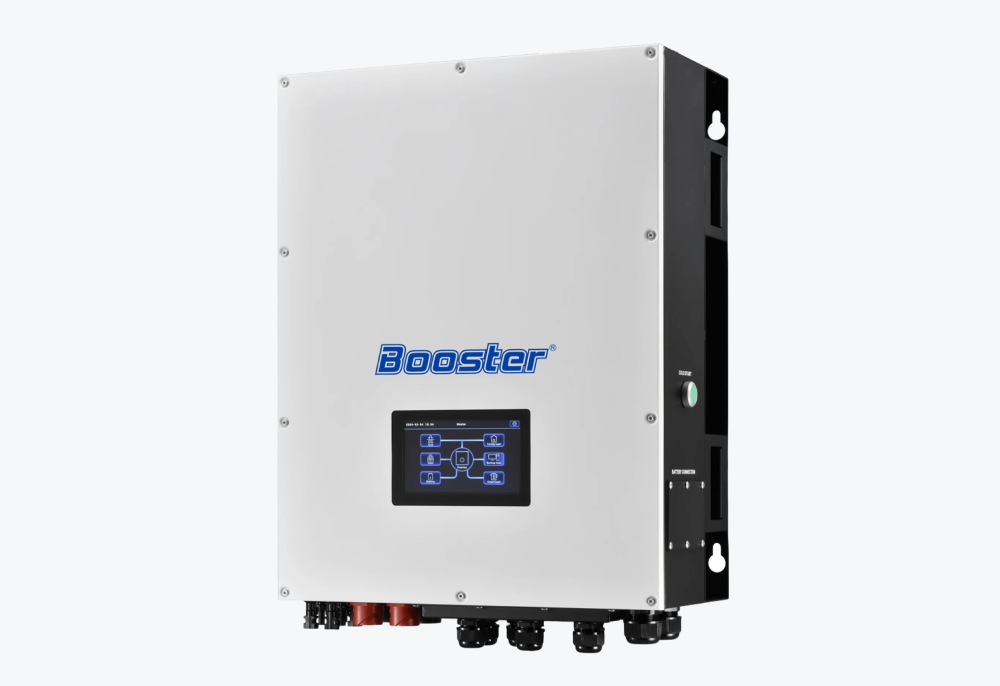
The Large Capacity Roller 51.2V 240AH All in One Inverter Hybrid Solar Energy System Solar Home Energy Storage Battery is ideal for home or small business systems.
Conclusion
SILEX BATTERY combines strong cell design, safe operation, and efficient ion transport to support modern backup and solar storage needs. Careful material selection and smart BMS control keep performance stable over many cycles.
When integrated into JUST systems, SILEX solutions give users reliable energy, easy maintenance, and flexible system expansion for homes, businesses, and industrial sites.
Frequently Asked Questions about SILEX BATTERY
1. How long does a SILEX BATTERY typically last?
Service life depends on depth of discharge, temperature, and charge method. With proper use, many SILEX systems can reach several thousand cycles before capacity drops clearly.
2. Can SILEX BATTERY be used with existing inverters?
In many cases, yes. Check voltage, current, and communication protocols. It is best to confirm compatibility with the inverter maker or follow JUST integration guides.
3. What maintenance is required for SILEX BATTERY systems?
Most systems need only regular visual checks, cleaning of terminals, firmware updates, and logging of BMS data. Always avoid extreme temperatures and long‑term deep discharge.
4. Are SILEX BATTERY products safe for indoor installation?
Yes, when installed according to the manufacturer’s rules. Provide enough ventilation, protect against short circuits, and use proper fuses and breakers in the DC and AC paths.
5. How do I choose the right SILEX BATTERY capacity?
First estimate daily energy use and required backup time. Then match voltage and capacity while allowing some margin for future expansion and aging.