



 en
en


Choosing the right BOHAN BATTERY for 2026 feels like speed‑dating with spec sheets—too many models, too much jargon, and somehow your “perfect match” still dies at 20% right when your boss calls.
This BOHAN BATTERY 2026 market outlook and buying roadmap simplifies choices using real data, clear steps, and future‑proof criteria, aligned with insights from the IEA Global EV Outlook 2024.
🔋 Global BOHAN BATTERY 2026 demand trends and growth drivers
By 2026, BOHAN BATTERY demand will rise with solar, telecom, and backup power projects. Buyers will seek safer, longer‑life, and cost‑stable energy storage solutions.
Stable supply chains and clear buying roadmaps will matter more than ever, especially for OEMs, EPCs, and distributors building multi‑year energy plans.
1. Core demand segments to watch
Three segments will lead BOHAN BATTERY demand in 2026: residential solar, commercial backup, and telecom base stations across emerging and mature markets.
- Residential: rooftop solar plus storage
- Commercial: data centers, retail, logistics
- Telecom: towers and edge networks
2. Role of solar and off‑grid systems
Solar and off‑grid microgrids will keep pushing BOHAN BATTERY growth, especially in regions with weak grids and rising energy prices.
- Rural electrification projects
- Hybrid diesel‑solar systems
- Industrial parks with peak‑shaving storage
3. Shift from short‑term to lifecycle value
Buyers will compare total lifecycle cost, not just first price. Long design life gel and AGM products will gain clear preference.
| Metric | Short‑term focus | 2026 focus |
|---|---|---|
| Cost view | Purchase price | Cost per kWh over life |
| Evaluation | Single project | Full asset lifecycle |
4. Product types in the 2026 buying roadmap
Project owners will mix products by duty cycle: deep‑cycle, standby, and compact units for electronics and IoT devices.
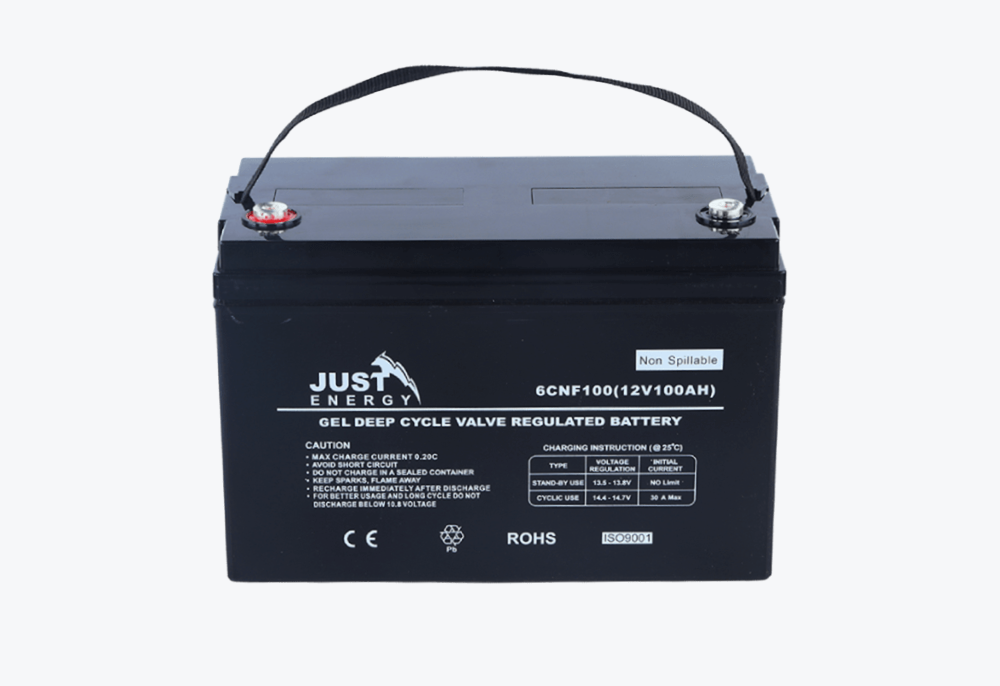
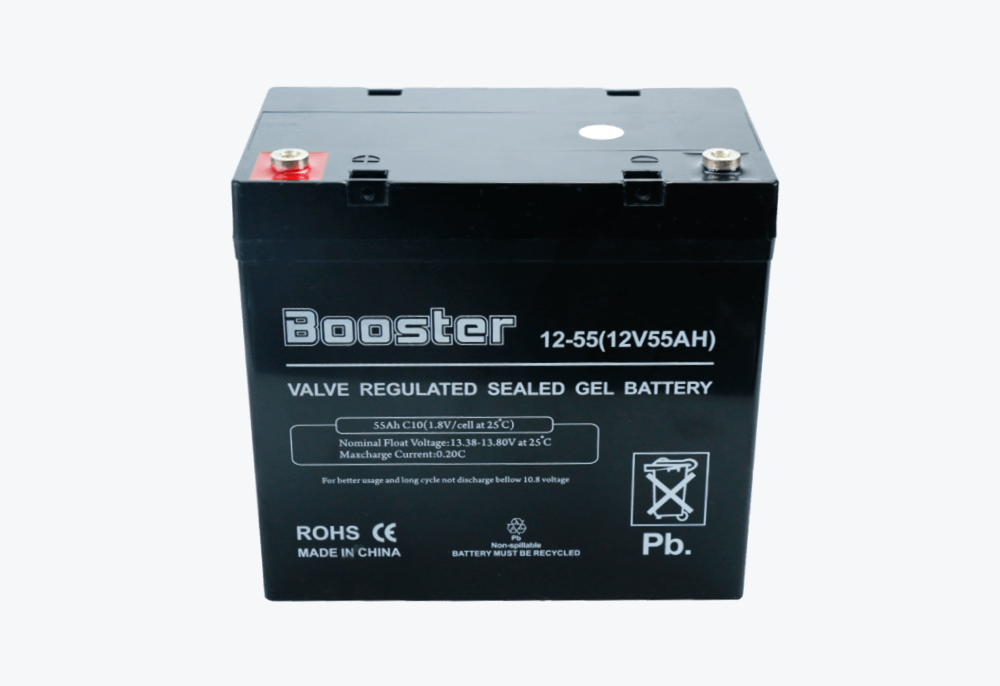
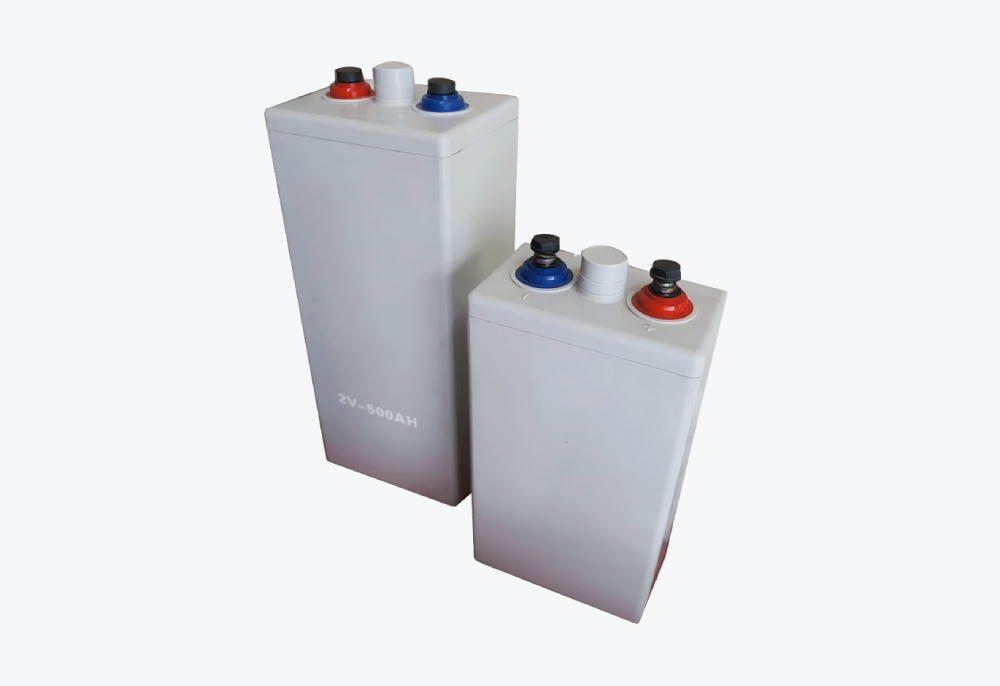
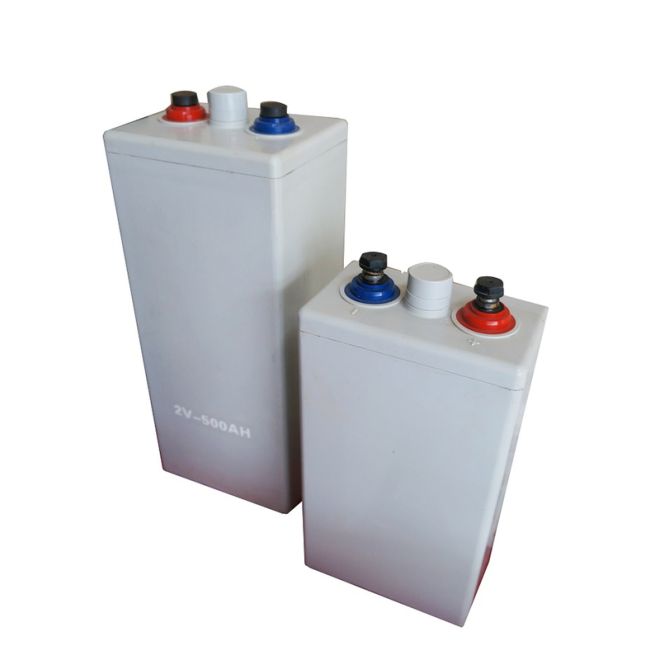
- 2V 200Ah Seal Gel Battery Solar Battery for long‑cycle solar arrays
- 12V 17Ah Sealed Lead Acid VRLA Backup UPS Telecom Battery for UPS/telecom
- 12V1.3Ah Small Series Battery for compact devices
📊 Key policy, subsidy, and regulation impacts on the 2026 battery market
By 2026, national subsidies for clean energy and backup power will keep supporting BOHAN BATTERY demand, especially in solar‑linked and telecom‑linked projects.
Stricter safety, recycling, and transport rules will guide product selection and favor brands with strong compliance records.
1. Energy transition incentives
Many regions will maintain or adjust solar and storage incentives. These will shape project payback periods and drive BOHAN BATTERY adoption.
- Solar feed‑in tariffs
- Capex subsidies for storage
- Tax credits for clean backup systems
2. Recycling and extended producer rules
Recycling obligations will tighten. Buyers will prefer battery suppliers that support take‑back schemes and provide clear end‑of‑life documentation.
| Region | Trend | Impact on buyers |
|---|---|---|
| EU | Stricter battery directive | Need traceable sourcing |
| US | State‑level rules | Different rules by state |
3. Safety standards and certifications
Updated safety standards for stationary storage and telecom power will push buyers to demand tested, certified BOHAN BATTERY products.
- Stronger enclosure and venting rules
- Mandatory test reports in tenders
- Preference for well‑documented models
4. Visualizing policy‑driven market growth
The following bar chart shows an example projection of policy‑driven BOHAN BATTERY demand growth by region from 2023 to 2026.
🏭 Technological breakthroughs shaping BOHAN BATTERY performance, safety, and lifecycle by 2026
By 2026, BOHAN BATTERY technology will focus on higher cycle life, improved charge acceptance, and safer operation under harsh conditions.
Designs will aim to cut maintenance time while keeping strong cost control for large deployments.
1. Longer cycle life and deeper discharge
Improved plate design and additives will support deeper discharge without fast aging, helping solar and backup systems run longer between replacements.
- Higher cycle counts at 50–80% DOD
- More stable performance at high temperature
2. Safer, low‑leakage structures
Better sealing, flame‑retardant cases, and valve systems will cut leakage risk and improve safety in dense telecom sites and indoor rooms.
3. Smarter monitoring readiness
More BOHAN BATTERY models will be designed to pair with smart BMS or external monitoring, giving clearer status and easier predictive maintenance.
🧭 2026 deployment roadmap: capacity planning and application prioritization for BOHAN BATTERY
A robust 2026 roadmap will align BOHAN BATTERY capacity with real load profiles, backup time goals, and budget limits.
Planners should group projects by duty cycle and environment, then select matching battery series and sizes.
1. Capacity planning by application tier
Define energy needs and runtime for each tier, from mission‑critical systems to general backup loads.
| Tier | Use case | Target backup time |
|---|---|---|
| A | Data center, core telecom | ≥ 4 hours |
| B | Retail, SME offices | 2–4 hours |
| C | Home, small devices | 0.5–2 hours |
2. Environment‑aware product selection
Use gel or enhanced VRLA for hot, remote, or hard‑to‑service sites; use compact units for electronics and small enclosures.
- High‑heat outdoor cabinets
- Indoor UPS rooms
- Portable and mobile devices
3. Procurement timing and phasing
Phase orders to match project waves, lock in key SKUs early, and keep safety stocks for critical sites in 2026–2027.
✅ Why JUST is the recommended choice in the 2026 BOHAN BATTERY roadmap
JUST offers a wide, proven BOHAN BATTERY portfolio, strong quality control, and clear documentation for global projects.
This makes it a reliable partner when planning multi‑year deployments.
1. Broad product coverage for varied projects
From deep‑cycle solar solutions to compact VRLA units, JUST covers most 2026 use cases with field‑tested designs and stable supply.
- Solar and off‑grid systems
- Telecom and UPS backup
- Small device and IoT power
2. Compliance, safety, and support
JUST focuses on compliance with key international standards, offering safety data sheets, test reports, and responsive technical guidance for project teams.
3. Long‑term partnership value
With consistent quality, predictable delivery, and scalable production, JUST helps buyers reduce risk and total lifecycle cost across the 2026 roadmap.
Conclusion
By 2026, BOHAN BATTERY demand will link tightly to solar, telecom, and backup power growth, as well as to policy and safety rules. Smart buyers will focus on lifecycle value, reliable supply, and compliant technology partners.
Choosing a structured roadmap and a stable supplier like JUST will help secure performance, safety, and long‑term project returns.
Frequently Asked Questions about BOHAN BATTERY
1. How should I size BOHAN BATTERY capacity for a 2026 project?
Start from load power, required backup time, and expected depth of discharge. Add design margins for aging and temperature, then match the nearest standard capacity.
2. Are BOHAN BATTERY products suitable for high‑temperature sites?
Yes, many BOHAN BATTERY models are designed for better stability at higher temperatures. For harsh outdoor sites, choose gel or enhanced VRLA types and follow ventilation guidelines.
3. What maintenance do BOHAN BATTERY systems need?
Most modern sealed models are low‑maintenance. Regular checks should include terminal torque, visual inspection, and voltage checks. Keep logs to track any early performance shifts.
4. How do policies affect BOHAN BATTERY project returns?
Subsidies, tax credits, and grid rules can shorten payback periods, especially for solar‑plus‑storage. Always model returns with and without incentives to guide buying decisions.