




 en
en


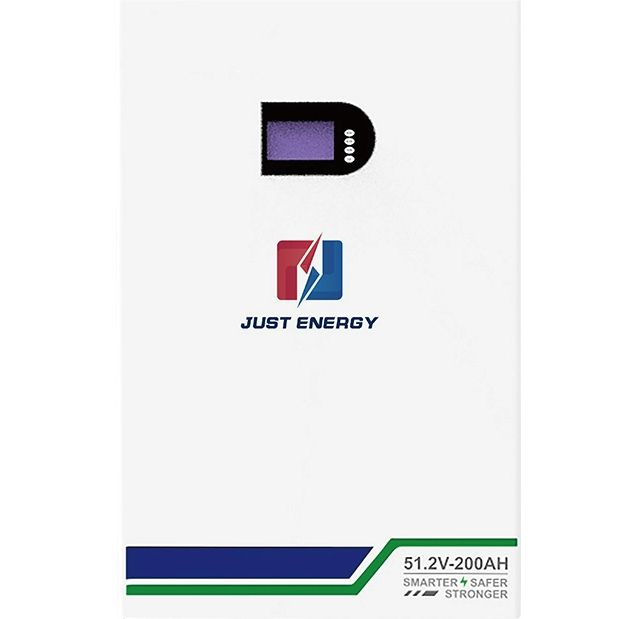
Your commercial power bills keep climbing, backup dies mid-rush hour, and your “energy strategy” is basically praying the lights stay on—meanwhile your accountant is rehearsing a dramatic exit.
The JUST ENERGY BATTERY fixes this with stable, stored power and lower peak costs, backed by IEA energy storage research.
🔋 Understanding JUST ENERGY BATTERY Technology for Commercial-Scale Energy Storage
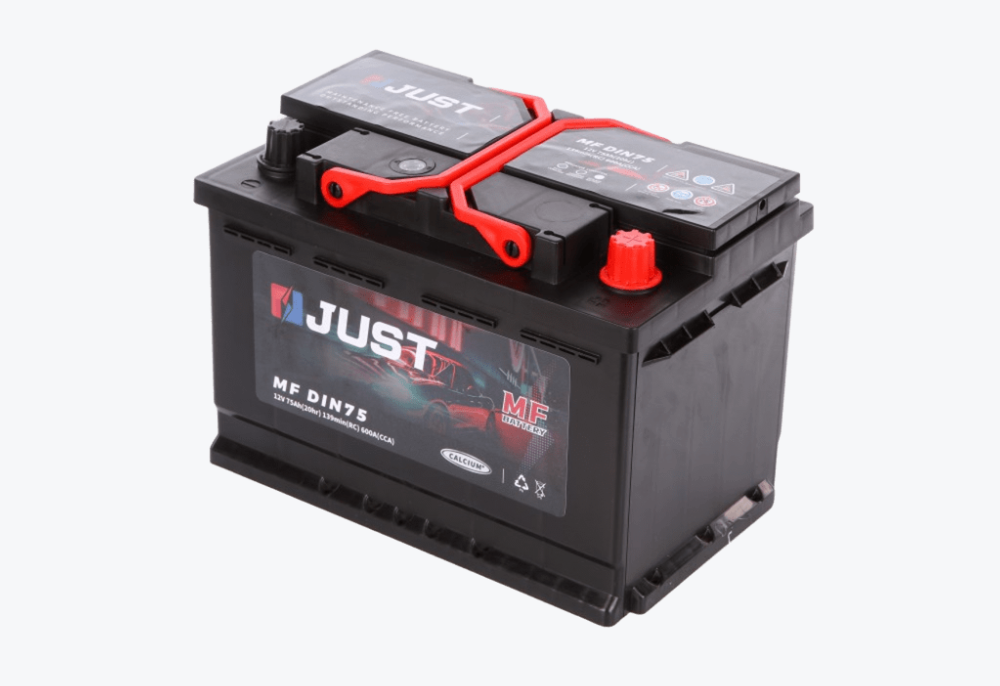
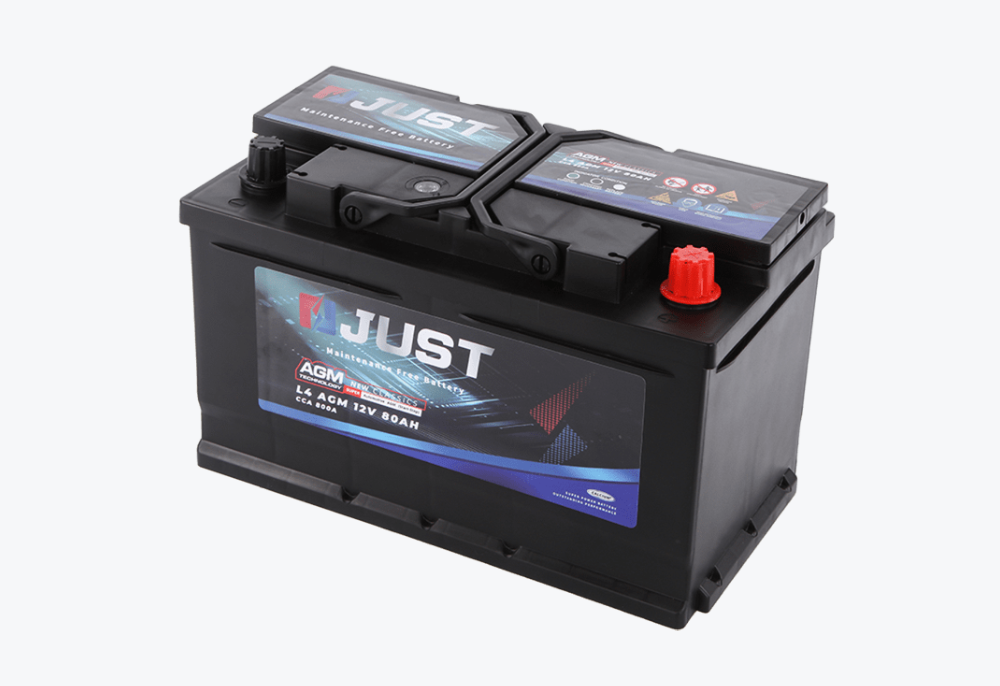
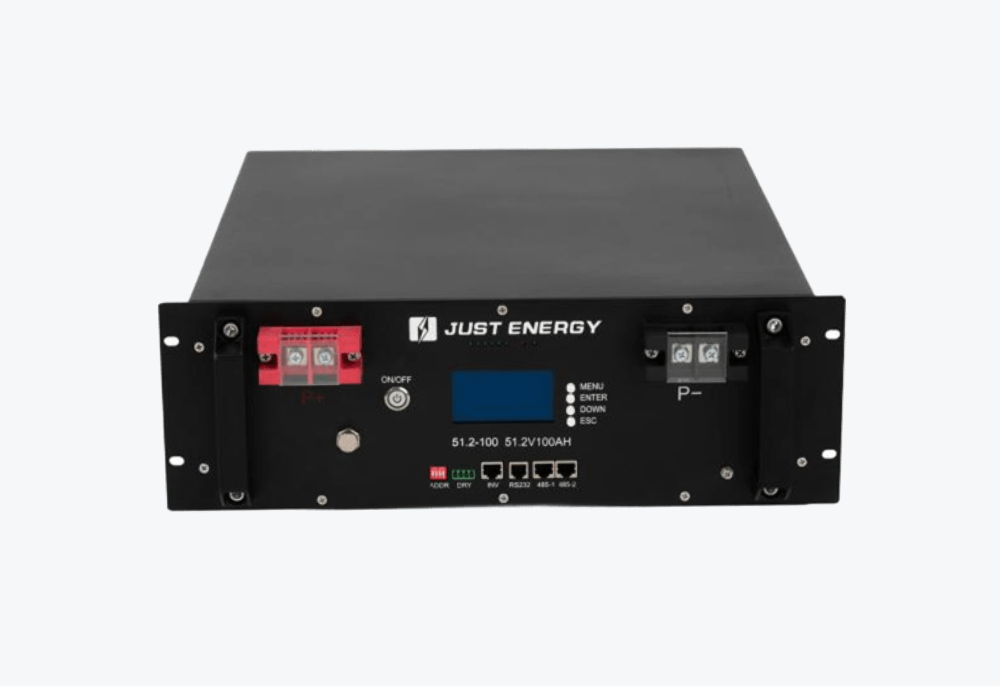
JUST ENERGY BATTERY solutions support stable, high-capacity power for commercial users. They combine long cycle life, strong safety design, and flexible configurations to match diverse site needs.
From backup power to solar integration, these battery systems help businesses reduce grid dependence, smooth power fluctuations, and keep critical equipment running during outages or peak demand.
1. Core Battery Chemistries and System Design
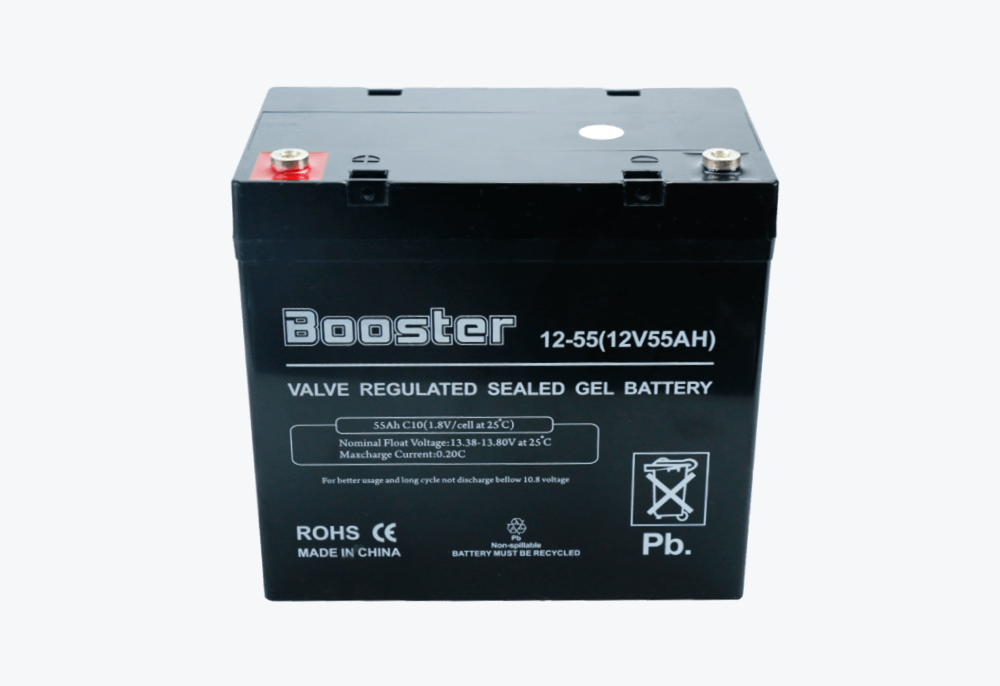
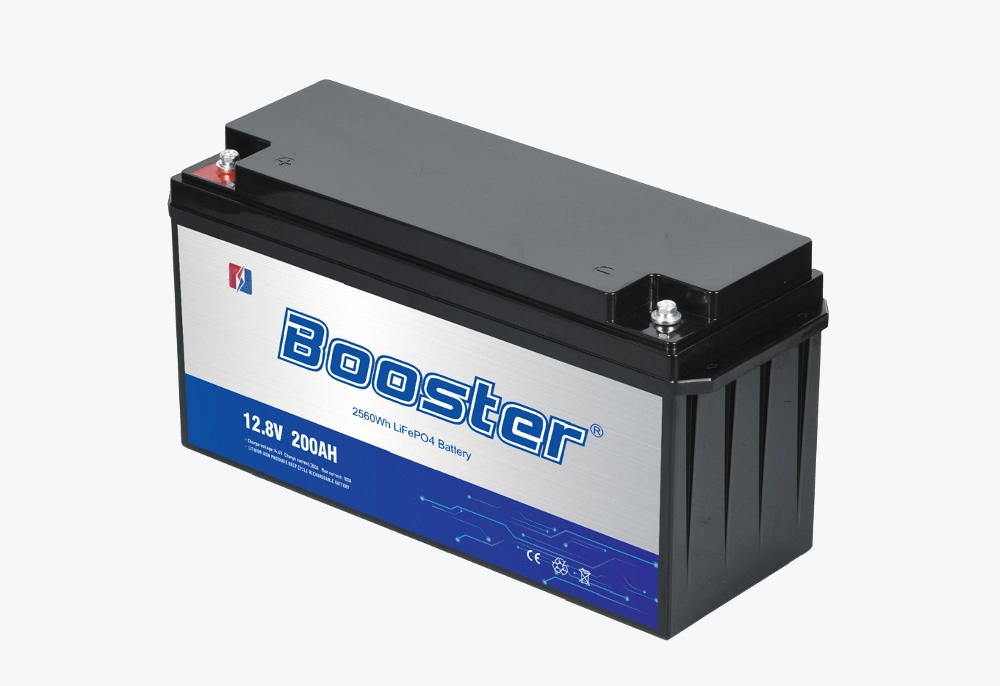
JUST ENERGY BATTERY systems use advanced gel and lithium technologies to balance safety, lifespan, and cost. Design focuses on reliable performance in demanding commercial conditions.
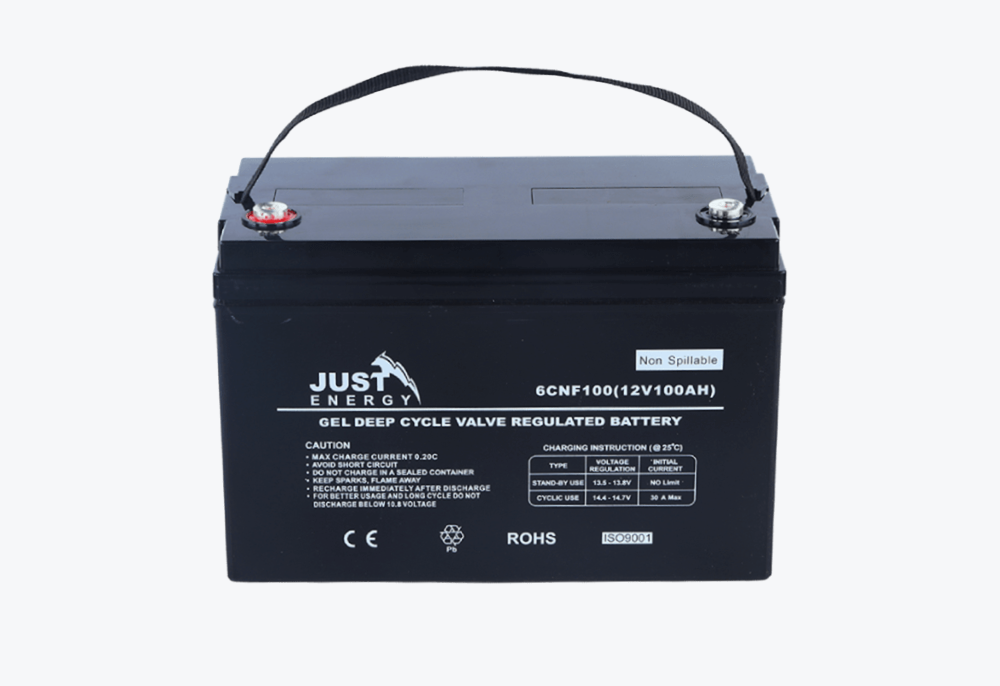
- Deep-cycle gel options for stable, long-duration discharge
- High-energy-density lithium modules for compact spaces
- Smart battery management systems (BMS) for protection
2. High-Performance Deep-Cycle Solutions
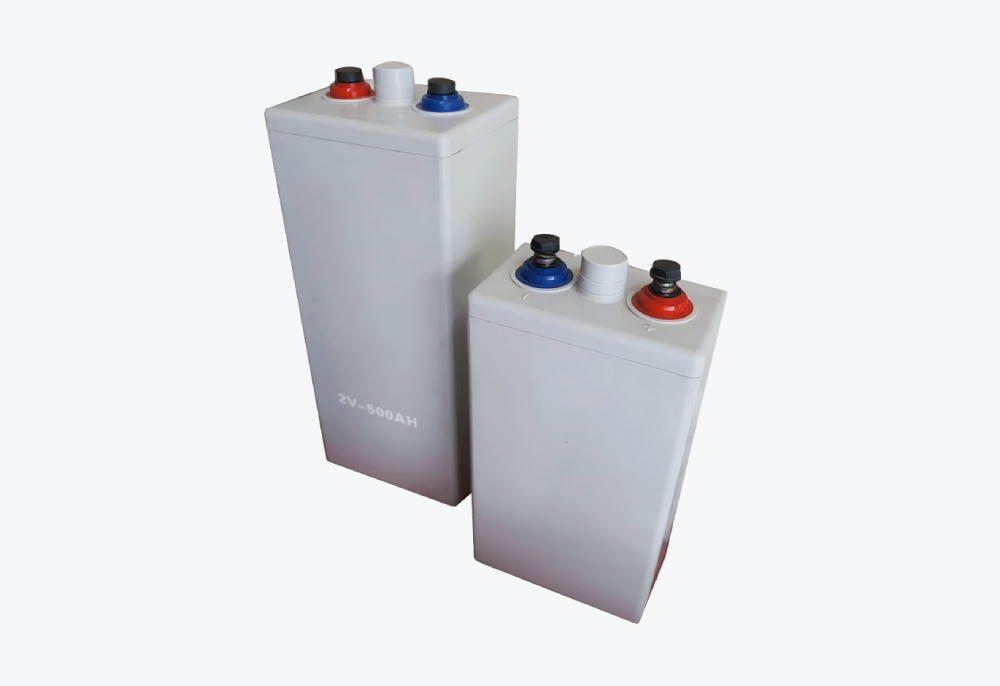
For heavy daily use, deep-cycle batteries deliver steady energy without fast degradation. They suit telecom sites, data centers, and industrial backup applications.
- 2V 500Ah Sealed Gel Solar High Rate Deep Cycle Battery for robust solar and backup use
- Optimized plate design for long cycle life
- Low maintenance with sealed construction
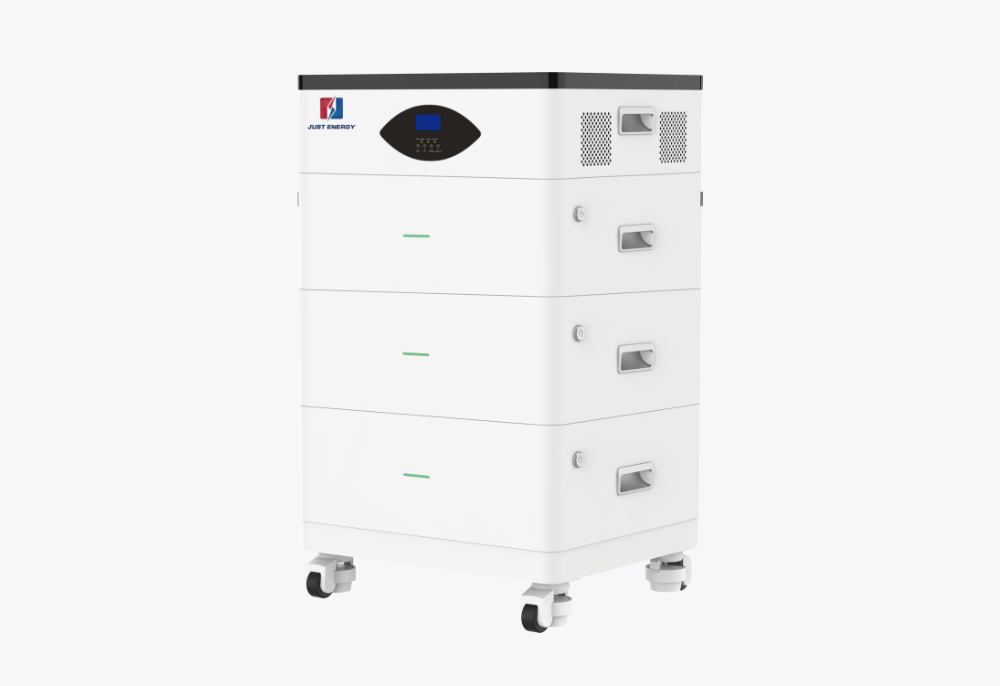
3. Modular and Stackable Energy Storage
Modular systems allow you to start small and scale capacity as your site grows. This reduces upfront risk and simplifies project planning.
- Stackable All-in-one 5kWh 10kWh15kWh 20kwh Energy Storage System for Solar fits many load profiles
- Easy expansion with plug-and-play modules
- Compact footprint for tight electrical rooms
4. Long-Lifespan Industrial Battery Options
For critical infrastructure, OPZV tubular gel batteries offer very long design life and stable performance, even under frequent cycling and partial state of charge.
- OPZV1500 2V 1500AhOPZV Series Battery for long-term projects
- Strong resistance to deep discharge
- Ideal for telecom, microgrids, and utility support
🏭 Key Benefits of JUST ENERGY BATTERY in Large Commercial Facilities
Commercial facilities use JUST ENERGY BATTERY systems to cut energy costs, increase power reliability, and support sustainability goals without sacrificing operational performance.
Strategic energy storage also helps sites manage peak tariffs, integrate rooftop solar, and protect sensitive loads from voltage dips and grid failures.
1. Energy Cost Reduction and Peak Shaving
Batteries charge when prices are low and discharge during peak hours. This method reduces demand charges and stabilizes monthly bills for large users.
| Period | Grid Tariff | Battery Action |
|---|---|---|
| Off-peak night | Low | Charge |
| Daytime peak | High | Discharge |
2. Improved Power Quality and Reliability
Energy storage acts as a buffer between the grid and your equipment. It smooths voltage swings and provides instant backup during short outages.
- Supports UPS and backup generators
- Protects sensitive electronics and controls
- Reduces production downtime risk
3. Enhanced Use of On-Site Solar or Wind
Batteries store surplus renewable energy and release it when your site needs it most. This increases self-consumption and improves project returns.
- Shift solar energy from noon to evening peaks
- Lower grid import during expensive periods
- Support green energy targets and reporting
4. Example Cost-Saving Impact by Sector
The chart below illustrates how different commercial sectors can cut energy costs using JUST ENERGY BATTERY peak-shaving strategies.
⚙️ Designing a JUST ENERGY BATTERY System for Your Business Operations
A solid design starts with clear load data, tariff analysis, and site conditions. This ensures the chosen battery system delivers real, measurable savings.
Engineers then size storage capacity, select battery chemistry, and plan control logic that aligns with your operational schedule and risk tolerance.
1. Assessing Load Profile and Critical Equipment
Identify which loads must stay on during outages and when your demand peaks occur. This drives battery sizing and control rules.
- Review 12–24 months of utility bills
- Map critical vs. non-critical loads
- Note shift patterns and weekend behavior
2. Selecting the Right Battery Configuration
Choose between centralized or distributed systems, and balance energy capacity with available budget and floor space.
| Configuration | Main Advantage |
|---|---|
| Centralized room | Easy service and monitoring |
| Distributed racks | Closer to loads, lower cabling losses |
3. Integrating with Existing Electrical and Control Systems
Proper integration with switchgear, meters, and energy management software is vital. It allows automated control and accurate performance tracking.
- Link to building management system (BMS)
- Use smart meters for real-time data
- Plan safe isolation and protection devices
📊 Maximizing Cost Savings with JUST ENERGY BATTERY Energy Management Strategies
To unlock full value, batteries must operate with smart strategies that match tariff structures, solar production, and your internal load patterns.
Ongoing monitoring and fine-tuning keep savings high over time as your operations and energy prices change.
1. Time-of-Use Optimization
Program the system to automatically respond to time-of-use tariffs, charging off-peak and discharging on-peak without manual actions from staff.
- Set charge and discharge windows
- Respect minimum reserve levels
- Update rules when tariffs change
2. Demand Charge Management
Use the battery to limit short spikes in demand that trigger high demand charges, especially in manufacturing and cold storage facilities.
| Action | Goal |
|---|---|
| Discharge during spikes | Keep demand below threshold |
| Recharge off-peak | Restore capacity at low cost |
3. Data-Driven Performance Tracking
Use dashboards and regular reports to compare actual savings to forecasts. Adjust settings based on measured results, not assumptions.
- Track round-trip efficiency
- Monitor cycle count and depth
- Flag unusual patterns early
🛡️ Safety, Maintenance, and Lifespan of JUST ENERGY BATTERY Installations
JUST ENERGY BATTERY systems are designed with strong safety features, but correct installation and routine checks are essential to ensure long, trouble-free operation.
Clear procedures and trained staff help protect both the equipment and your facility while keeping lifecycle costs under control.
1. Core Safety Features and Standards
Systems include electrical, thermal, and software protections. Compliance with relevant standards supports safe operation in commercial environments.
- Overcurrent and short-circuit protection
- Temperature and voltage monitoring
- Emergency shutdown procedures
2. Routine Maintenance and Monitoring
Most modern systems need minimal physical service, but regular inspections and digital monitoring prevent small issues from becoming major failures.
| Task | Typical Frequency |
|---|---|
| Visual inspection | Quarterly |
| System diagnostics check | Monthly |
| Firmware updates | As released |
3. Maximizing Battery Lifespan
Proper system sizing, limiting very deep discharges, and good thermal management all extend battery life and protect return on investment.
- Keep within recommended temperature range
- Avoid frequent 0%–100% cycles
- Use manufacturer-approved settings
Conclusion
JUST ENERGY BATTERY solutions give commercial users a practical path to lower energy costs, better power quality, and higher resilience. With the right design and control strategy, businesses can capture strong financial returns while supporting renewable energy growth.
By focusing on safety, smart operation, and proper maintenance, your energy storage investment can deliver reliable performance over many years of service.
Frequently Asked Questions about JUST ENERGY BATTERY
1. How do JUST ENERGY BATTERY systems reduce my energy bills?
They shift consumption from high-tariff periods to low-tariff times and limit demand spikes. This cuts both energy charges and demand charges on your bill.
2. Can these batteries work with my existing solar system?
Yes. JUST ENERGY BATTERY systems integrate with most inverters and solar arrays. They store surplus solar power and release it when your site needs it most.
3. What is the typical lifespan of a commercial JUST ENERGY BATTERY installation?
Depending on chemistry and usage, you can expect around 10–15 years of service. Gentle cycling and proper temperature control can extend this further.
4. Are there special room or space requirements?
Yes. The installation area should meet ventilation, access, and safety requirements. Engineers will confirm floor loading, clearance, and protection devices during design.
5. How soon can I see a return on investment?
Many commercial users see payback in 3–7 years, depending on tariffs, load profile, and any incentives. Detailed modeling helps predict your specific timeframe.