





 en
en


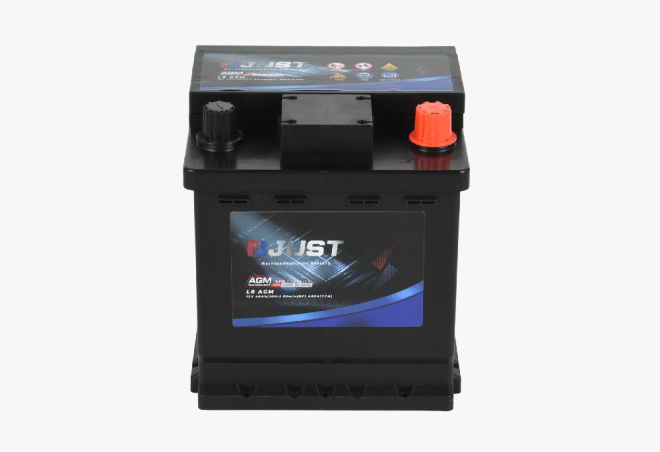
Every time your start‑stop car coughs instead of purring, you wonder if the AGM battery is secretly plotting its retirement—and whether you missed the memo on how to keep it happy and alive.
Relax. Simple AGM care—regular voltage checks, clean terminals, and smart charging—prevents surprise breakdowns. Follow your manual and proven battery guidelines from this U.S. Department of Energy report to keep your start‑stop system smooth.
🔋 Understanding AGM Start Stop Batteries and Why Maintenance Matters
AGM start stop batteries power frequent engine restarts, support onboard electronics, and deliver strong cold cranking amps. Simple care helps them last longer and stay reliable.
With the right checks and charging habits, you reduce breakdown risk, protect your alternator, and keep your fuel‑saving start‑stop system working smoothly in daily driving.
1. What Makes AGM Start Stop Batteries Different?
AGM (Absorbent Glass Mat) batteries lock the acid in fiberglass mats, so they resist vibration and charge faster than old flooded batteries used in basic cars.
- Designed for many start cycles each trip
- Low internal resistance for quick charging
- Safe, sealed, and spill‑proof design
2. Why Maintenance Still Matters with “Maintenance‑Free” AGM
“Maintenance‑free” means you do not add water, but you still need regular checks to avoid undercharging, corrosion, and early failure of your start stop system.
- Check voltage and charge level often
- Inspect terminals for dirt and rust
- Keep the battery firmly mounted
3. Matching the Right AGM Battery to Your Car
Choose an AGM with the correct size, CCA, and capacity to support your car’s electrical load and start stop pattern.
| Vehicle Type | Recommended Feature |
|---|---|
| Family sedan | Balanced CCA and Ah |
| SUV with extras | Higher Ah for more loads |
| City compact | Smaller case, strong CCA |
4. JUST AGM Options for Different Needs
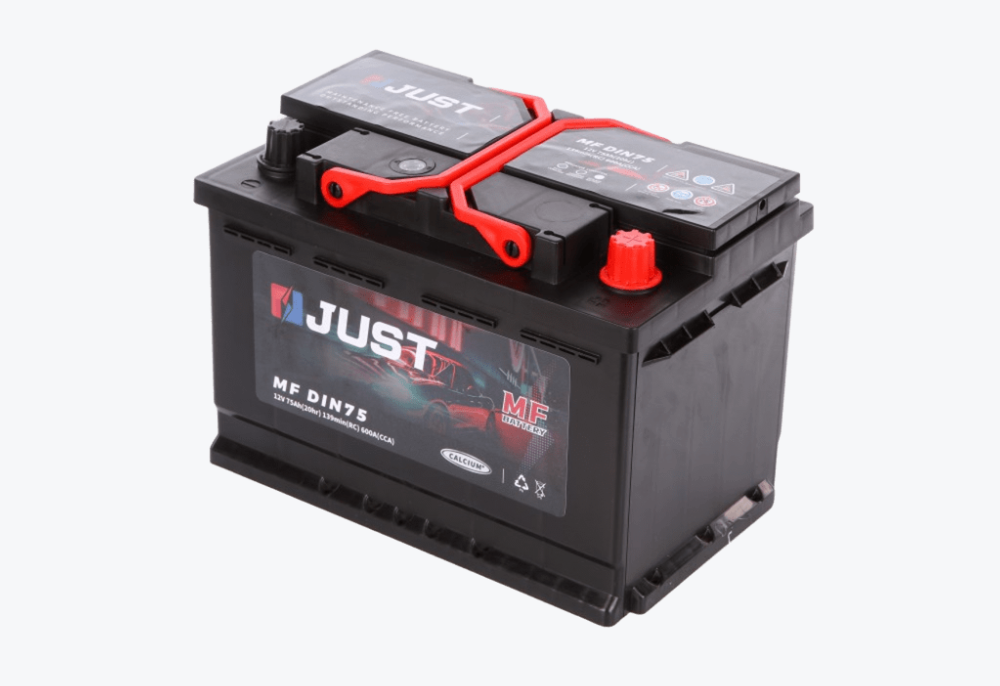
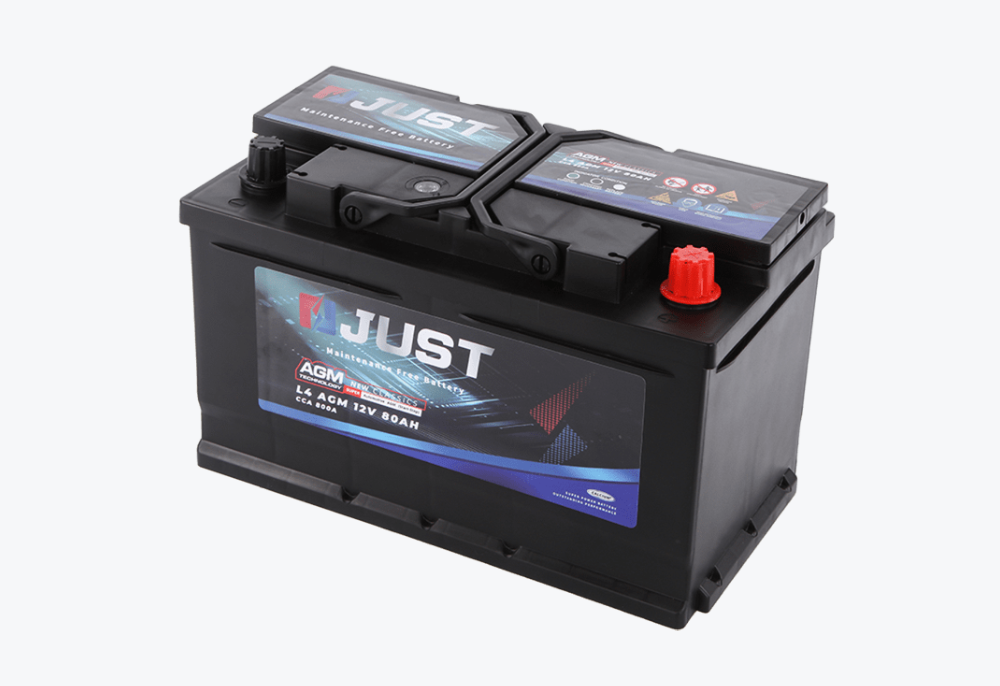
JUST offers AGM batteries for many vehicle sizes and start stop demands, with strong CCA and deep‑cycle support.
- JUST L4 AGM 12V 80Ah Start-Stop Battery – 800CCA Deep Cycle Performance for larger vehicles and heavy loads.
- JUST AGM-L0 12V 40Ah Battery | Compact 460A CCA Start-Stop Power for small city cars.
- JUST AGM-B20 12V 36Ah Start-Stop Automotive Battery | High CCA & Vibration Resistant for tight spaces and rough roads.
🧰 Simple Routine Checks to Keep Your AGM Battery Healthy
Short, regular checks help keep your AGM start stop battery charged, clean, and safe, while reducing the chance of sudden failure on busy days.
You can do most inspections at home with basic tools and a clear visual check of the battery and its cables.
1. Visual Inspection and Cleanliness
Look for cracks, bulges, leaks, or loose mounts. Clean light corrosion with a mix of baking soda and water, then dry and protect the terminals.
- Wear gloves and eye protection
- Use a soft brush, avoid sparks
- Ensure clamps are snug, not overtightened
2. Check Voltage and State of Charge
Use a simple digital multimeter to read battery voltage after the car rests. Healthy AGM voltage usually stays above 12.4V when the engine is off.
3. Test the Charging System
If voltage is low, check that the alternator charges at about 14.2–14.8V with the engine running and lights or AC turned on.
| Condition | Typical Reading |
|---|---|
| Engine off, rested | 12.4–12.8V |
| Engine running | 14.2–14.8V |
4. Use the Right Charger When Parked
If you drive short trips, connect a smart AGM‑compatible charger sometimes. It keeps the battery fully charged without overcharging it.
🌡️ Temperature, Driving Habits, and Their Impact on AGM Battery Life
Heat, cold, and driving style strongly affect how long your AGM start stop battery lasts and how many times it can restart your engine.
By adjusting a few habits, you can ease battery stress and support a steady state of charge all year.
1. High Heat and Battery Aging
Hot climates speed up chemical reactions inside the battery, which can shorten its life even if you rarely notice problems while starting.
- Park in the shade when possible
- Avoid long idle time in extreme heat
- Check voltage more often in summer
2. Cold Starts and CCA Demand
Cold weather makes engine oil thicker and increases the need for cold cranking amps, so weak batteries often fail as winter begins.
3. Short Trips and Heavy Electrical Loads
Many short trips with lights, seat heaters, and sound systems on can drain the AGM faster than the alternator can recharge it.
| Driving Pattern | Impact on Battery |
|---|---|
| Mostly highway | Good recharge, lower stress |
| Stop‑and‑go city | Higher cycle count |
| Very short hops | Risk of chronic undercharge |
⚠️ Common AGM Start Stop Problems and Safe DIY Fixes
Most AGM start stop issues start small. Early checks and simple fixes help you avoid being stranded or damaging sensitive electronics.
Focus on safe steps first, and leave complex electrical work to a trained technician when you are unsure.
1. Slow Cranking or No Start
If cranking slows, check terminal tightness and voltage first. A smart charger can restore a low, but not fully dead, AGM battery.
- Confirm lights and accessories are off when parked
- Charge fully, then retest starting
- Replace if voltage drops quickly under load
2. Start Stop System Disabled Warning
Modern cars often turn off start stop when voltage is low or sensors detect a problem. A weak AGM or bad sensor can trigger this warning.
3. Corrosion and Loose Connections
Corroded clamps raise resistance and cause random electrical faults. Clean them gently, apply a thin protective layer, and make sure both cables are secured.
| Symptom | Possible Cause |
|---|---|
| Dim lights | Loose or dirty terminals |
| Intermittent start | Loose ground cable |
✅ When to Replace Your AGM Battery and Why Choose JUST
Even with great care, AGM start stop batteries wear out over time. Knowing when to replace helps avoid last‑minute, stressful failures.
Choosing a proven brand like JUST gives you strong CCA, solid build, and reliability for years of daily driving.
1. Clear Signs It Is Time to Replace
Watch for slow cranking, frequent jump starts, or a battery older than four to five years, especially in hot or harsh climates.
- Battery age above four years
- Visible swelling or cracks
- Fails load tests at a shop
2. Benefits of Upgrading to a Quality AGM
A good AGM replacement restores quick starts, keeps start stop active, and better supports modern electronics and safety systems in your car.
3. Choosing the Right JUST AGM Model
Match the original size, terminal layout, CCA, and capacity. Use your owner’s manual or ask a battery specialist to confirm the correct JUST model.
| Need | JUST Feature |
|---|---|
| Frequent start stop | High cycle life |
| Cold climate | Strong CCA rating |
| Rough roads | Vibration‑resistant build |
Conclusion
AGM start stop batteries deliver strong power, quick restarts, and support for modern electronics, but they still need simple care to stay healthy. Regular checks, correct charging, and smart driving habits greatly extend their life.
By spotting warning signs early and selecting the right JUST AGM replacement, you enjoy reliable starts, safer trips, and better long‑term value from your car’s battery system.
Frequently Asked Questions about agm start stop battery
1. How long does an AGM start stop battery usually last?
Most AGM start stop batteries last about four to six years, depending on climate, driving style, and how well you keep them charged and maintained.
2. Can I use a regular charger on an AGM battery?
Use a charger with an AGM setting. Old‑style constant chargers can overcharge or damage AGM batteries by pushing voltage too high for too long.
3. Is it okay to replace an AGM start stop battery with a normal battery?
No. Start stop systems need AGM or similar enhanced batteries. A normal flooded battery may fail early and can cause system faults.
4. How often should I check my AGM battery?
Check visually once a month and test voltage every few months, or before and after extreme seasons like very hot summers or cold winters.